

The development of technology parks and innovation districts worldwide has demonstrated their pivotal role in driving economic growth, attracting talent, and enhancing the competitiveness of nations and regions. From Silicon Valley and Singapore to Dubai, numerous successful models have been established, offering valuable lessons for provinces and cities in Vietnam that are embarking on their journey to create their own innovation ecosystems. This article, based on practical experience from international and domestic projects, proposes essential principles and strategies for Vietnamese localities to build effective technology zones and innovation districts that align with their unique characteristics and potential.
Three foundational questions
To build a successful innovation district, localities must thoughtfully address three strategic questions:
- Should a technology park or innovation district be a concentrated hub or a connected network?
With today’s advanced digital infrastructure and connectivity technology, creating a flexible innovation network that leverages existing infrastructure and resources can yield immediate results—as Da Nang demonstrated by quickly transforming existing facilities into innovation spaces. However, building a concentrated area with significant scale and appeal remains essential for creating impact and attracting talent and investment, especially when competing with established centers. This approach mirrors how Singapore competed with London, Hong Kong, and other global hubs before becoming a major player itself. The optimal solution typically combines both approaches: building a concentrated area with symbolic significance while developing an innovation network based on existing infrastructure and resources.
- Should the government or the private sector lead the development effort?
Public-private partnerships (PPP) with private sector leadership have become the dominant global trend, with many examples: Silicon Valley, Stanford University Research Park, North Carolina’s Research Triangle Park where three universities attracted IBM’s research center, and Shanghai’s Yangpu Education and Science City, home to Fudan and Tongji Universities. While both public and private sectors typically participate, the critical questions are: to what degree, how to structure roles, how to divide responsibilities, and who takes the lead. For instance, at Beijing’s TusPark, Tsinghua University holds 45% ownership while private enterprises control the remaining 55%. However, where the government has strong capabilities and strategic vision, state-led models focusing on infrastructure and R&D investment can also succeed, as Singapore has shown. Regardless of the approach, universities and research institutes play an indispensable role in providing high-quality talent and driving research and development.
- Should development begin with comprehensive master planning or quick pilot initiatives?
Long-term, systematic planning is necessary for sustainable development. However, given rapidly changing technology and markets, launching pilot projects and flexible experiments based on existing infrastructure and resources helps gather real-world experience and adapt strategies effectively. Therefore, combining long-term strategic planning with specific, agile short-term actions is essential.
Six Core Principles for Building Successful Technology Zones and Innovation Districts
Synthesizing insights from successful innovation districts worldwide, six foundational principles emerge as critical success factors:
1. Understand the local economic strengths and competitive advantages
While economic development phases can be accelerated, none can be skipped entirely. Innovation centers must build on existing local strengths while identifying opportunities to develop new economic sectors with breakthrough potential. Attracting strategic investors can unlock exceptional growth opportunities.
Binh Duong Science and Technology Industrial Park (Becamex) stands as the centerpiece of Binh Duong’s science and technology zone and innovation region. This innovation industrial park will optimize the industrial ecosystem with integrated components, including office complexes, universities, research institutes, high-tech agriculture zones, and startup and experimentation areas. The master plan ensures these components support and connect seamlessly with each other, optimizing resources and maximizing investment returns.

Figure 1: Binh Duong Science and Technology Industrial Park.
2. Location intelligence: “Location, location, location!”
Innovation districts rise or fall on their locational fundamentals. No amount of investment can overcome a poorly positioned site that fails to attract talent, connect to markets, or enable efficient operations. Successful districts prioritize locations with multimodal transportation access—road, rail, air—that facilitate both talent mobility and market connectivity. When existing locations lack these advantages, transportation infrastructure becomes the first strategic priority, not an afterthought.
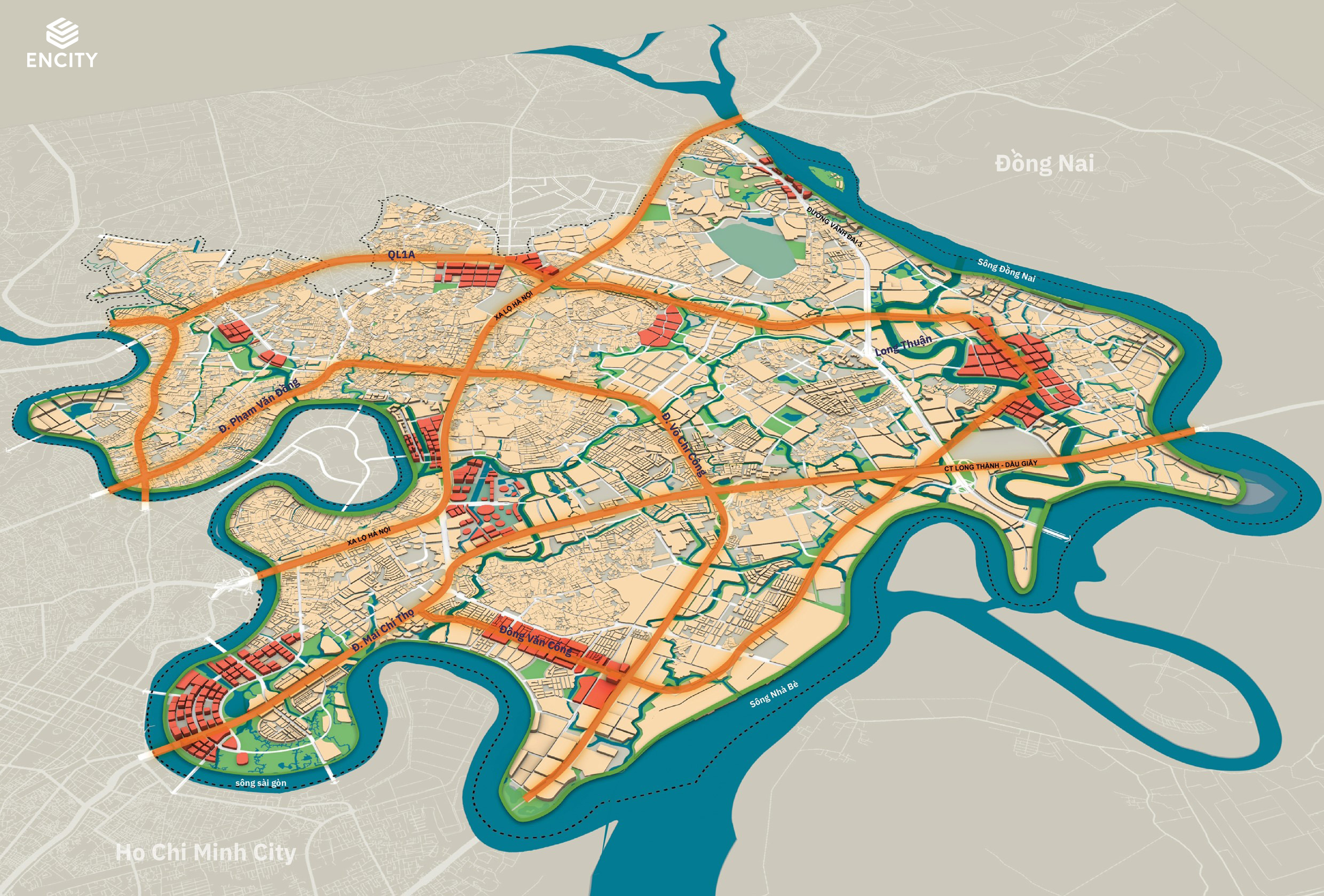
Figure 2: Thu Duc City’s master plan demonstrates this location-first thinking, embedding comprehensive transportation connectivity as the foundation for innovation district development.
3. Leadership accountability—innovation requires champions with skin in the game
Success requires individuals and organizations whose economic and political interests are directly tied to the project’s success. Assigning clear responsibility to capable and committed enterprises can be highly effective. In Dubai, the Silicon Oasis management team has comprehensive authority to drive project success, including visa issuance powers to attract international talent. In Da Nang, the city government partnered with the young entrepreneurs’ association to create a startup incubator management company, with a former city leader as Board Chairman and the entrepreneurs’ association representative as CEO, demonstrating tight public-private collaboration.
4. Stakeholders’ engagement through in-depth consultation and partnership
Listening to and understanding the needs of businesses and individuals working in the innovation sector is particularly crucial. Building a supportive ecosystem that connects different elements is fundamental. For the Ho Chi Minh City Innovation District Master Plan from 2019, followed by the Thu Duc City Master Plan approved in 2025, our consulting team proactively organized consultation workshops at multiple scales to develop creative city solutions together with the residents, institutions, and businesses.
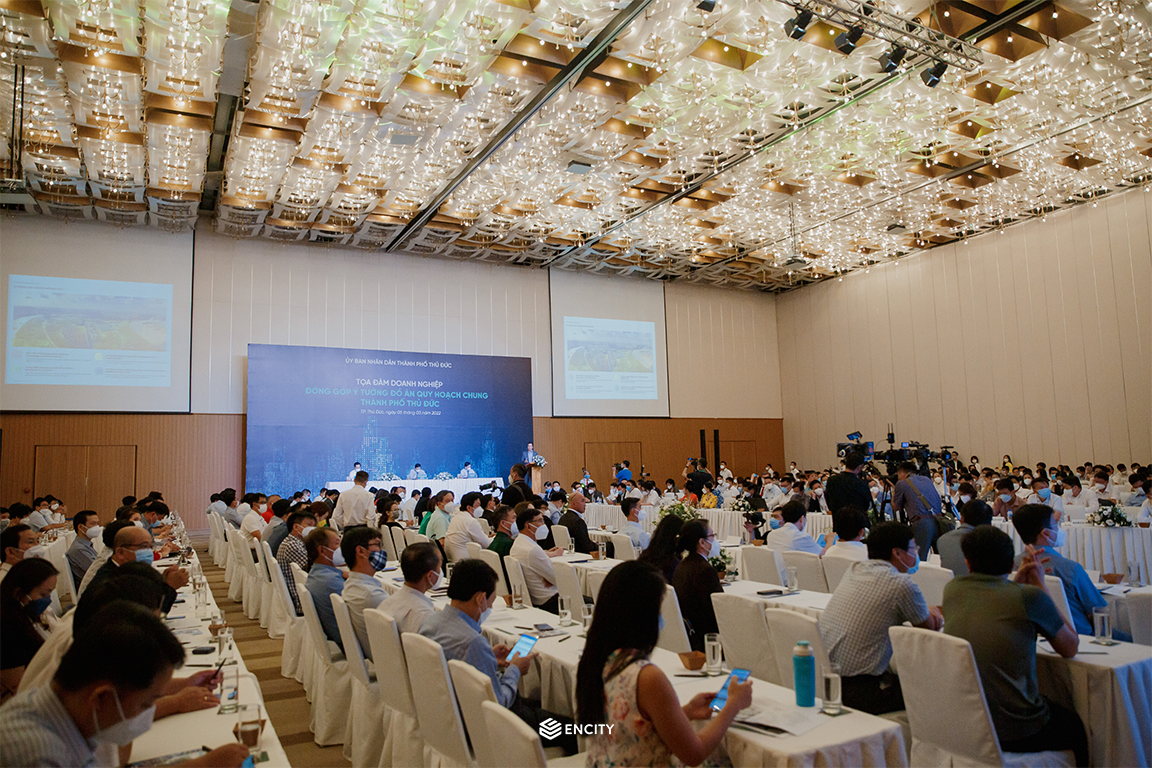
Figure 3: Public consultation for Thu Duc City Masterplan
- Build in flexibility for planning and policy
Innovation districts operate differently from traditional development models and require adaptive approaches. Flexibility should span from funding mechanisms to land use planning, investment attraction, and incentive policies. Singapore’s Industry 5.0 High-Tech Park demonstrates this flexibility through multi-level land use planning that mixes functions both vertically and horizontally, creating convenient living, working, learning, and entertainment environments as JTC (Singapore’s trade ministry) prepares to lead Industry 5.0 development. Areas with lower natural appeal need even greater flexibility to compete effectively.
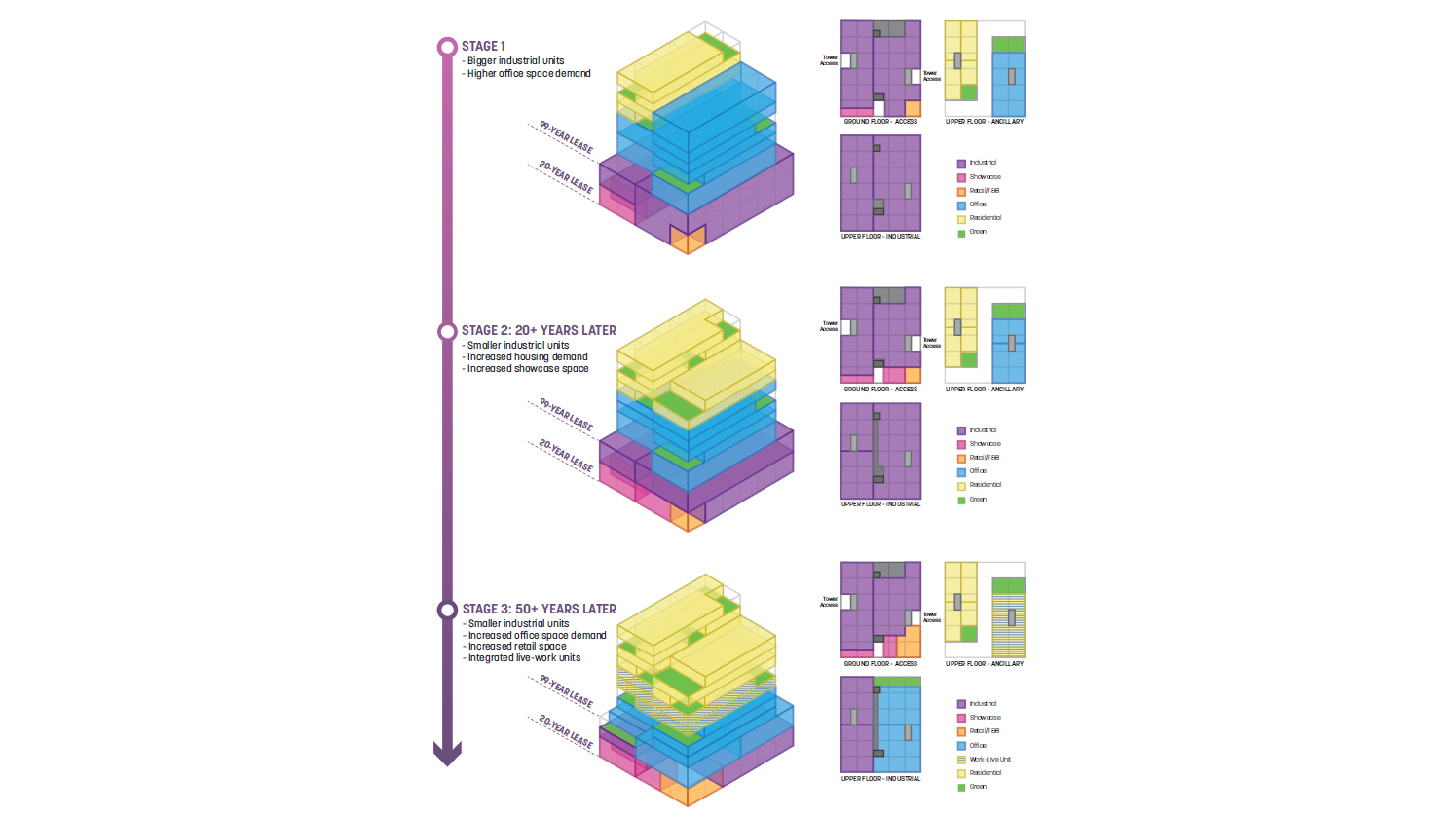
Figure 4: B0 Land use, a dynamic concept that changes over time to accommodate manufacturing trends in Singapore’s Industry 5.0 High-Tech Park
6. Create compelling living and working environments
Attracting and retaining talent requires high-quality living and working environments with comprehensive amenities, green spaces, and engaging cultural and recreational offerings. Binh Duong Science and Technology Industrial Park exemplifies how public facilities—universities, stadiums, libraries, arts centers, and public plazas—bring this new industrial park model to life.
In Singapore, the Lim Chu Kang Agri-Food Production Hub emerged from Singapore’s drive for food self-sufficiency, similar to how the island nation achieved independence in water and other resources. Targeting 30% nutritional self-sufficiency by 2030, Singapore’s Food Agency chose Lim Chu Kang, located far from the city center, to develop vertical farming using circular economy principles and advanced technology while creating an attractive living and working environment despite the remote location.

Figure 5: Lim Chu Kang Agri-Food Production Hub
Recommendations for Vietnamese Provinces and Cities
Vietnamese provinces and cities, each with distinct potential and characteristics, can learn from international experience and apply it creatively to build effective technology zones and innovation districts. Success requires identifying competitive advantages, selecting strategic locations, building stakeholder consensus and commitment, implementing flexible policies, and creating attractive environments. Rather than mechanically copying existing models, provinces should focus on building unique innovation ecosystems that reflect local identity and potential while contributing to national development.
Building an innovation district is not a sprint but a marathon demanding persistence, creativity, and continuous learning. Lessons from leading countries and regions, combined with a deep understanding of local conditions, will be the key for Vietnamese provinces and cities to achieve their vision of establishing themselves on the global technology map.

 VI
VI