

In today’s global investment landscape, sustainability considerations are paramount. ESG (Environmental, Social, Governance) has evolved from a risk screening tool to an essential value measurement framework. For Vietnamese investors, integrating ESG into urban planning and design is no longer optional—it represents a core strategy for ensuring long-term profitability, risk mitigation, and value creation.
At enCity, we don’t treat ESG as isolated criteria when advising government and private investors. Instead, we harness it as a strategic lens and a cohesive set of planning tools to shape urban projects and cities that are prosperous, sustainable, and livable. The four strategies outlined below demonstrate how we convert ESG principles into tangible investment value. These insights were presented by enCity’s Deputy CEO, Ms. Trang Vuong, at the 2025 Vietnam ESG Investor Conference.

1. Inter-provincial Governance for Social Equity and Environmental Sustainability
Urban development and infrastructure projects often extend beyond individual project or administrative boundaries, requiring a governance-focused approach to deliver positive social and environmental outcomes.
In our Regional Plan for the Northern Uplands, we identified that fragmented connectivity undermines supply chain efficiency, social welfare, and natural resource conservation. This necessitates coordinated action to protect shared ecosystems and water resources, typically situated at provincial borders.
Our solution involved dividing the region into sub-regions based on economic linkages and shared soft and hard infrastructure development. This ensures equitable access to essential public services—quality healthcare and education—for residents across all localities, whether urban centers or peripheral areas. This governance strategy optimizes resource use, promotes social equity, and safeguards the environment at inter-provincial scale.
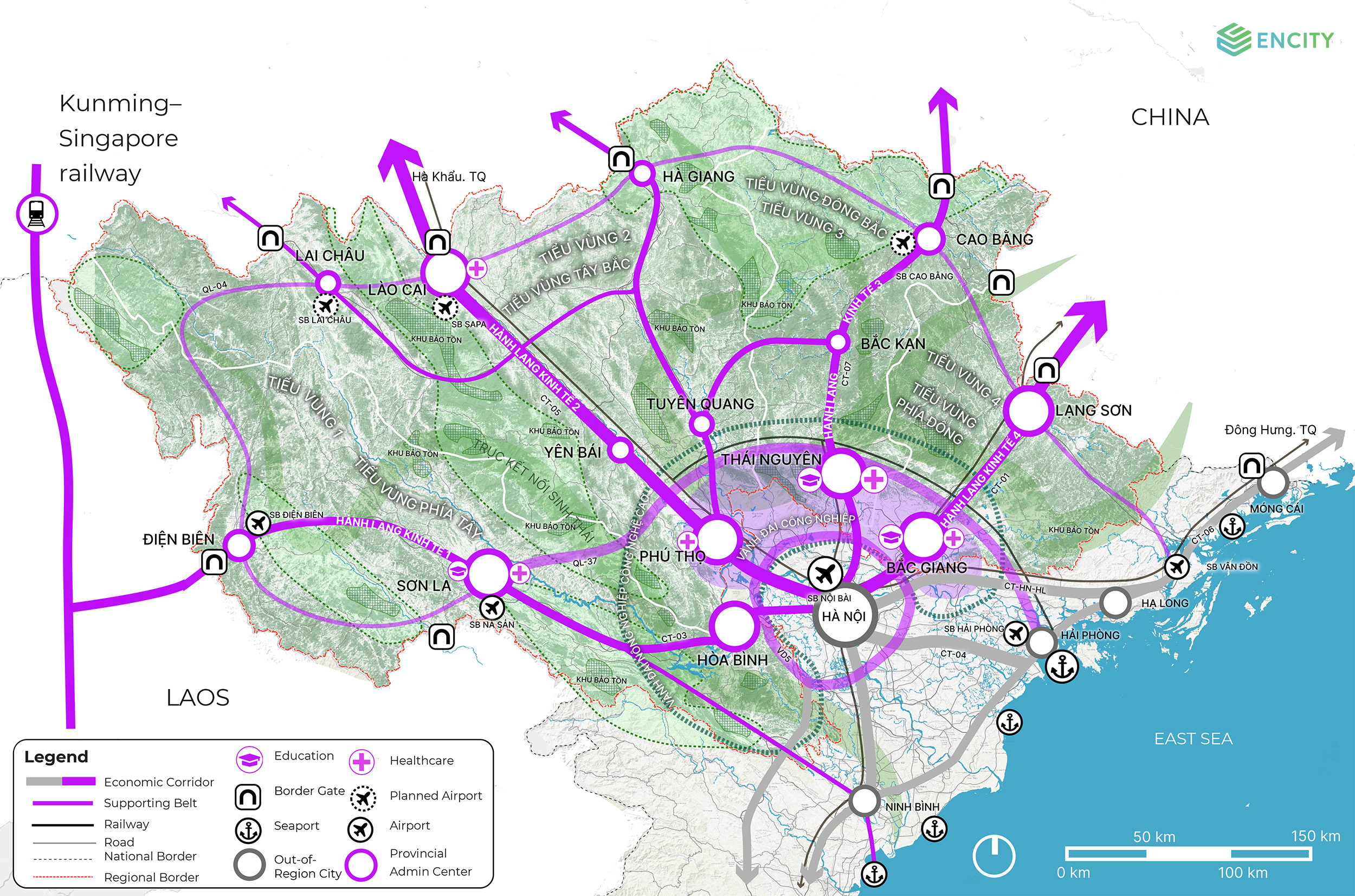
Figure 1 – In the Regional Plan for the Northern Uplands, approved by the Prime Minister in 2024, enCity proposed sub-regional divisions to forge strategic connections to airports and seaports, enhancing domestic and regional linkages.
This strategy minimizes cross-regional environmental risks, optimizes infrastructure investment efficiency, and establishes a robust socio-economic foundation, making large-scale investments more secure and appealing.
2. Smart Governance and Digital Transformation: Fostering Participation and Equal Opportunities
Digital transformation is more than an efficiency tool—it’s a governance mechanism that enhances transparency and community engagement, key pillars of ESG.
By digitizing and publicly sharing planning data, public services, and development indicators, we create a foundation for social equity. This openness eliminates information barriers, ensuring all citizens have equal access to services, land rights, and economic opportunities.
enCity has developed GIS and IoT-based planning management tools featuring real-time interactive online dashboards. The platform enables users and decision-makers to access, monitor, and act on data, while its public accessibility empowers communities to oversee and contribute to urban development projects.
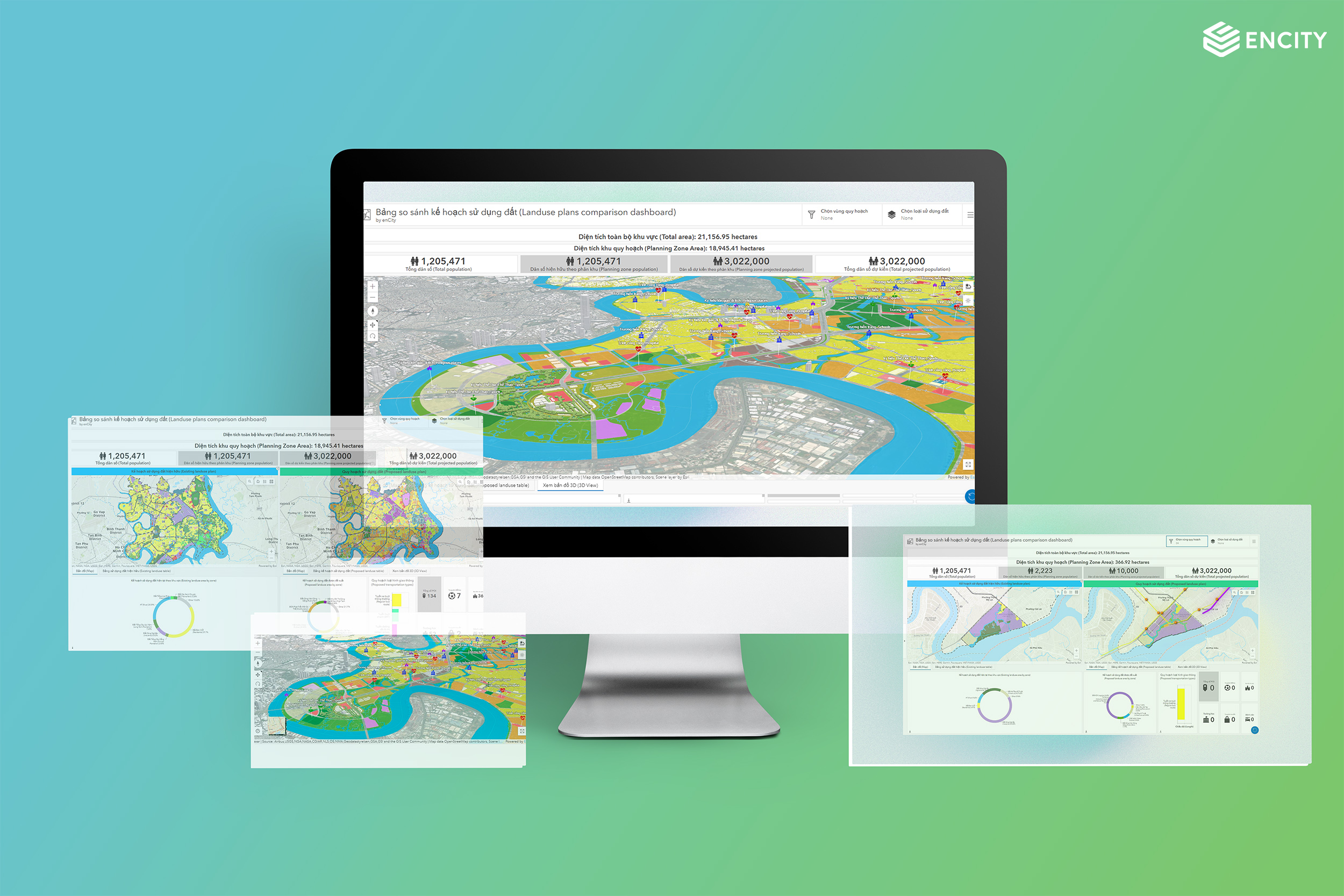
Figure 2 – GIS Dashboard supporting management, search, and decision-making for government, businesses, and citizens.
3. Transit-Oriented Development (TOD) and Green-Oriented Development (GOD)
TOD is a cornerstone strategy that achieves dual objectives: cutting transport-related emissions by promoting public transit and advancing social equity by improving access to jobs and urban amenities, particularly for low-income and vulnerable groups.
Many TOD zones are designed as thriving employment and service hubs, ensuring residents can access livelihood opportunities within 30 minutes from their homes.
Our complementary GOD strategy integrates green spaces across macro (city-wide), meso (district), and micro (building) scales, ensuring all residents—especially those with lower incomes—benefit from nature. As Frederick Law Olmsted, designer of New York’s Central Park, observed, urban parks bring nature to workers unable to afford distant retreats, enhancing physical and mental well-being.
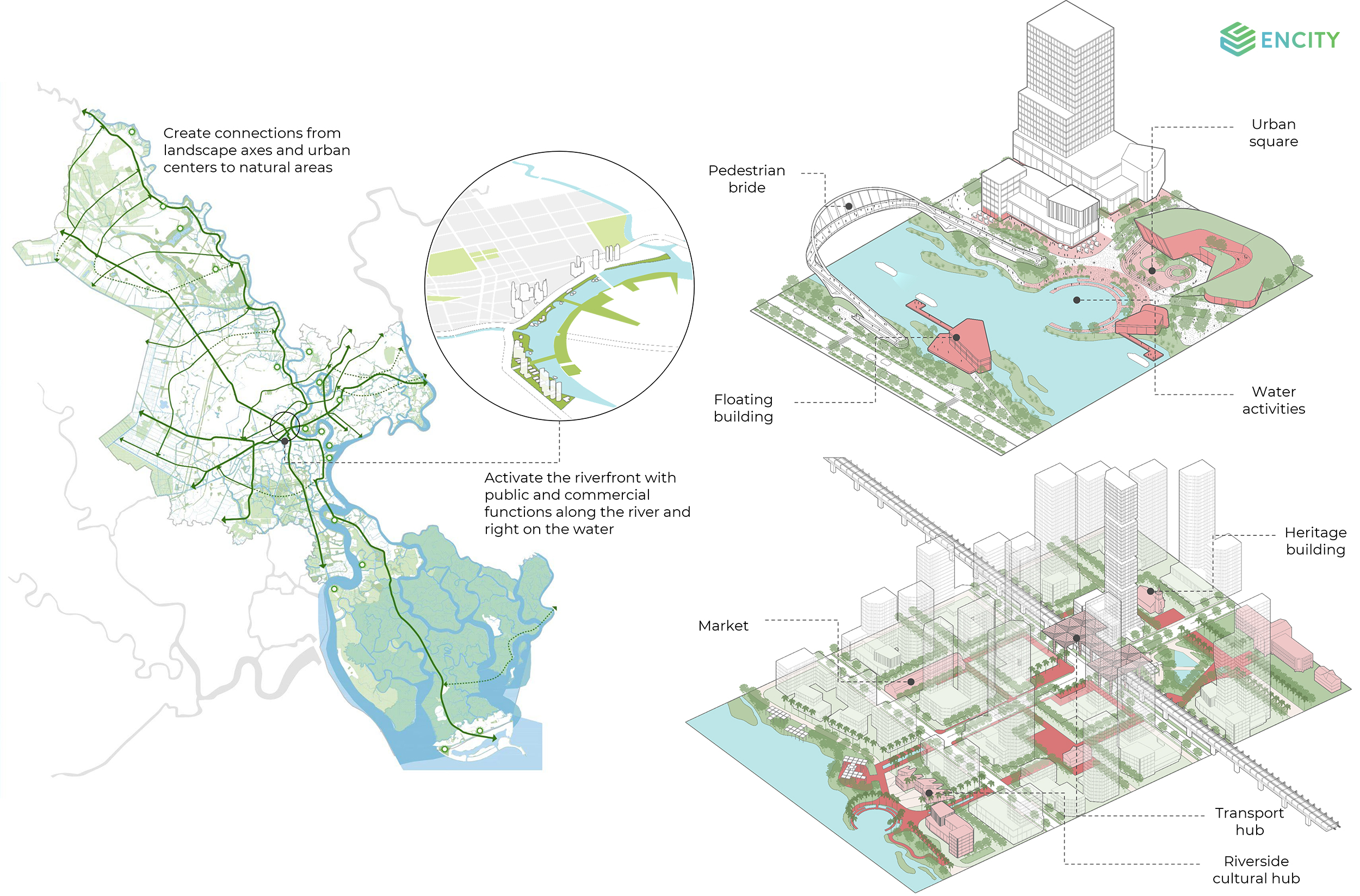
Figure 3 – Green-Oriented Development (GOD) diagram and urban design guidelines linking green spaces with TOD.
Together, TOD and GOD elevate property values through high-quality living environments, cultivate diverse and stable communities, and sustain demand for rental and ownership markets.
4. Flexible Land Use: Advanced Governance Tool for Climate Adaptation and Community Support
To attract sustainable urban investment, land use must adapt to climate change and support vulnerable populations. Traditional rigid regulations often hinder innovative solutions. In the Thu Duc City Master Plan to 2040, we proposed a flexible land use framework with three pillars:
- A Resilient City: The primary objective is building a city highly resilient to the impacts of climate change. Specifically, this strategy integrates surface water management solutions directly into land use planning. For instance, urban lakes serve not only aesthetic purposes but are designed to regulate stormwater, thereby sharing responsibility and reducing flood risks for the most vulnerable communities.
- An Inclusive City: This model prioritizes residents’ quality of life, ensuring essential social infrastructure serving low-income groups—such as traditional markets—is maintained and integrated. Simultaneously, it creates economic opportunities for small and medium enterprises (SMEs) by permitting small-scale, clean production in residential zones, helping preserve livelihoods and encouraging entrepreneurship.
- A Connected City: Introducing new development models such as production-commercial land to increase access to diverse employment opportunities and create space for SME and startup development.
This flexible framework is an advanced governance tool that fosters social equity and environmental resilience.
 Figure 4 – Flexible, multi-functional land use supporting climate adaptation and creating equitable opportunities
This strategy enhances project sustainability by building resilience against future disruptions and aligning with community needs.
Conclusion: Transforming ESG Challenges into Strategic Investment Advantages
In today’s investment climate, ESG is not an add-on but the bedrock of sustainable value and a key driver of a project’s long-term appeal. Projects with strong ESG performance mitigate legal and reputational risks while generating enduring profits by attracting customers, talent, and community support.
The four strategies above reflect enCity’s proven approach to converting ESG requirements into actionable planning and design solutions that deliver real-world value. We view ESG not as a regulatory burden but as a strategic toolkit to create value, minimize risks, optimize land potential, and foster collective sustainable development.

 VI
VI