

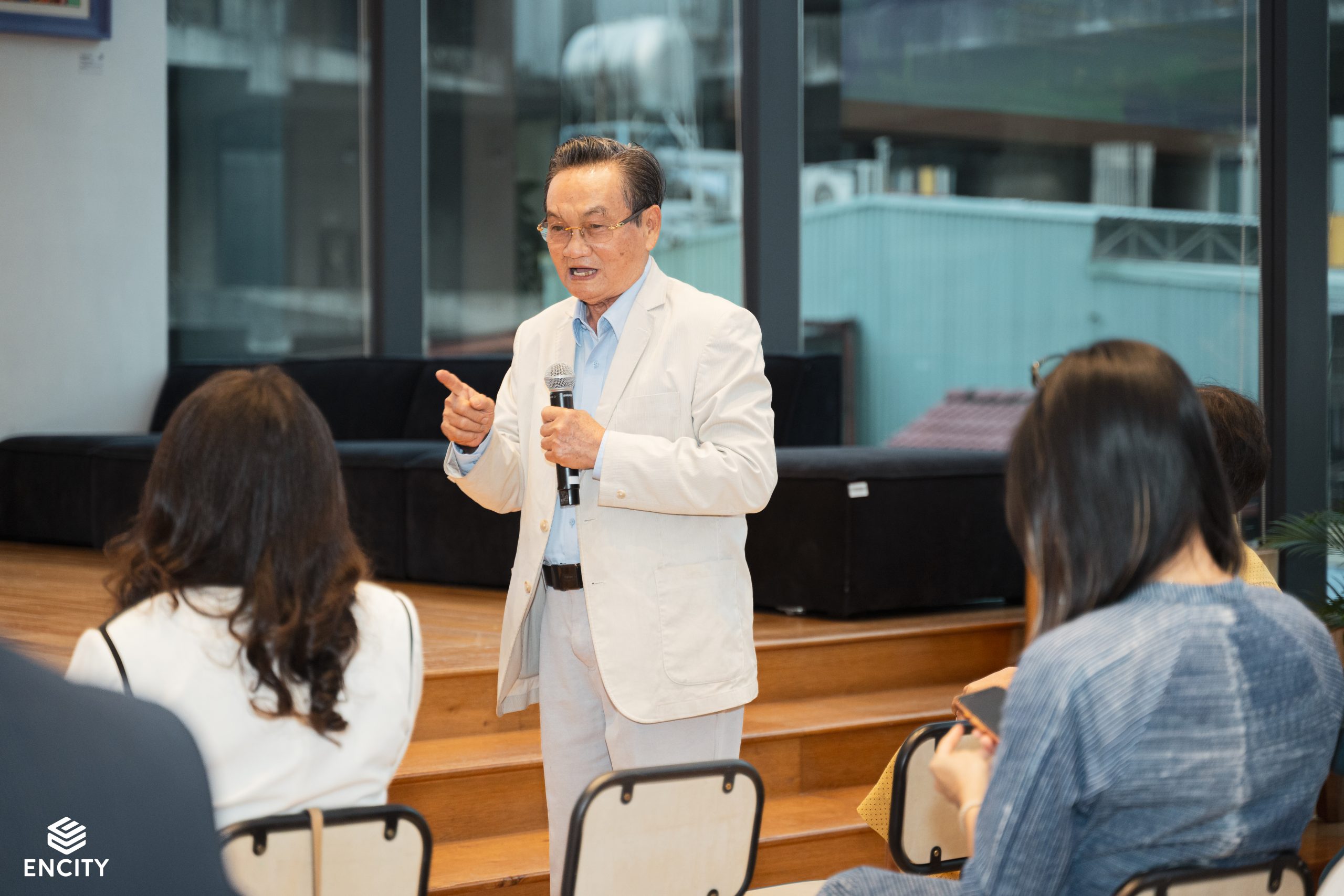
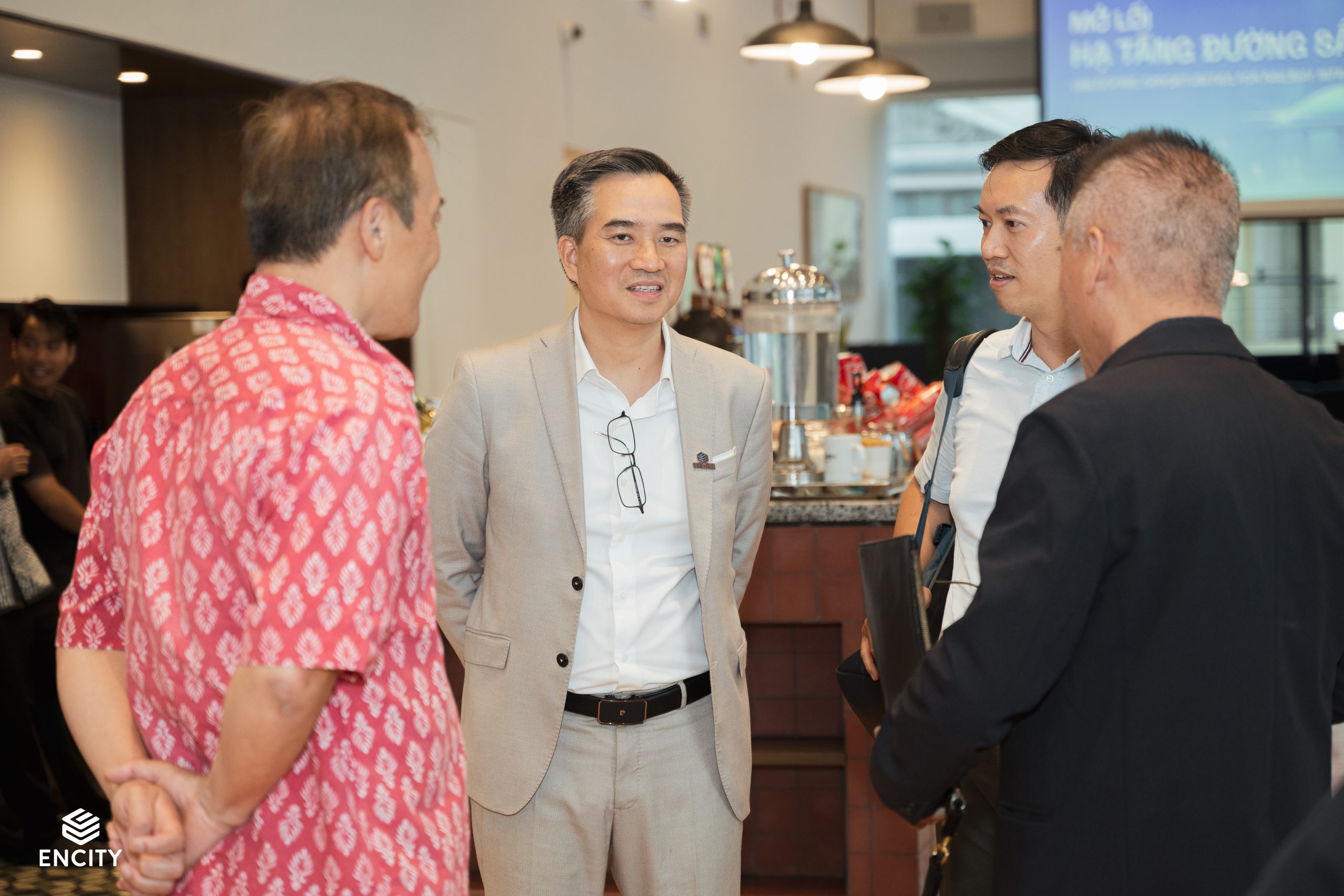
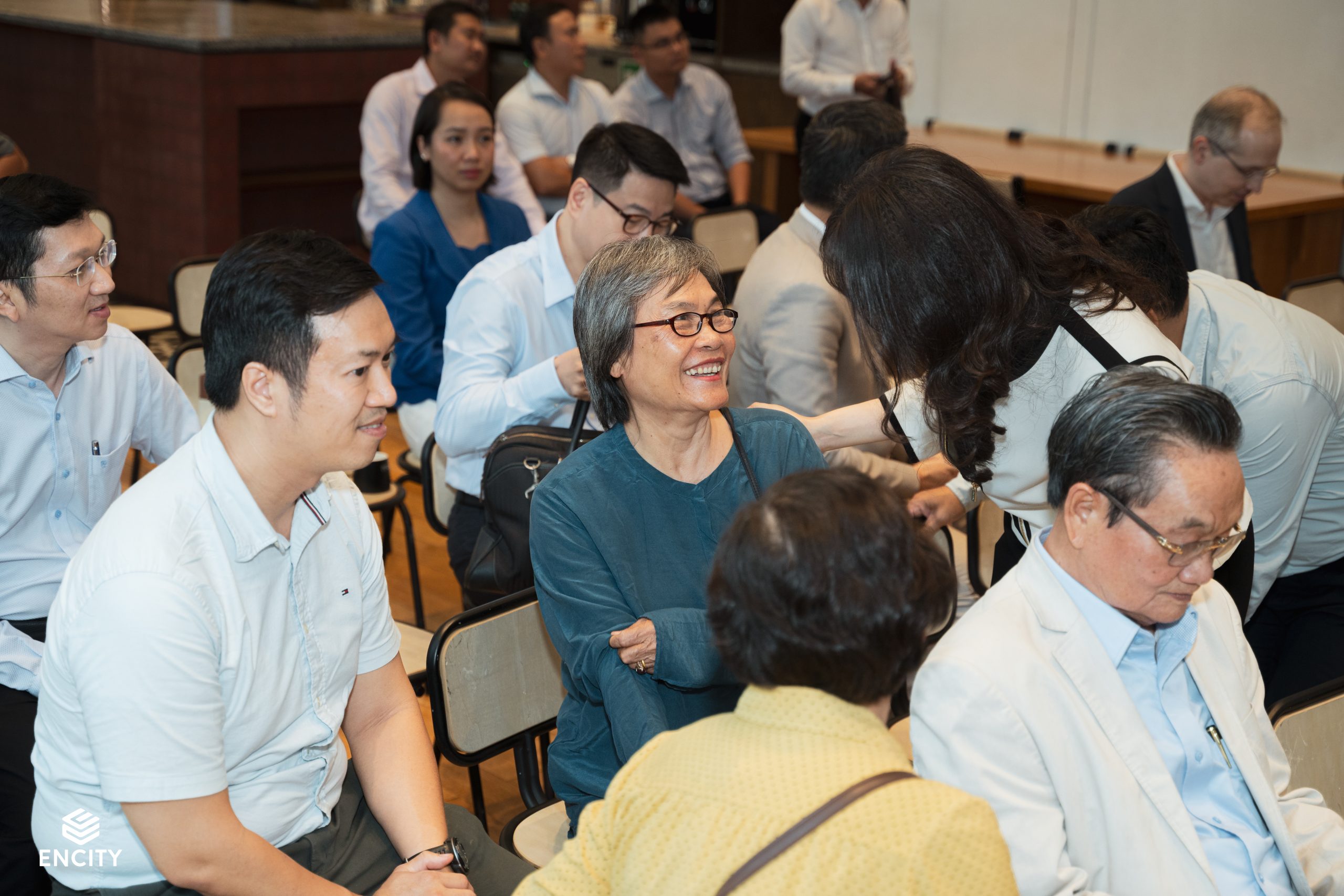
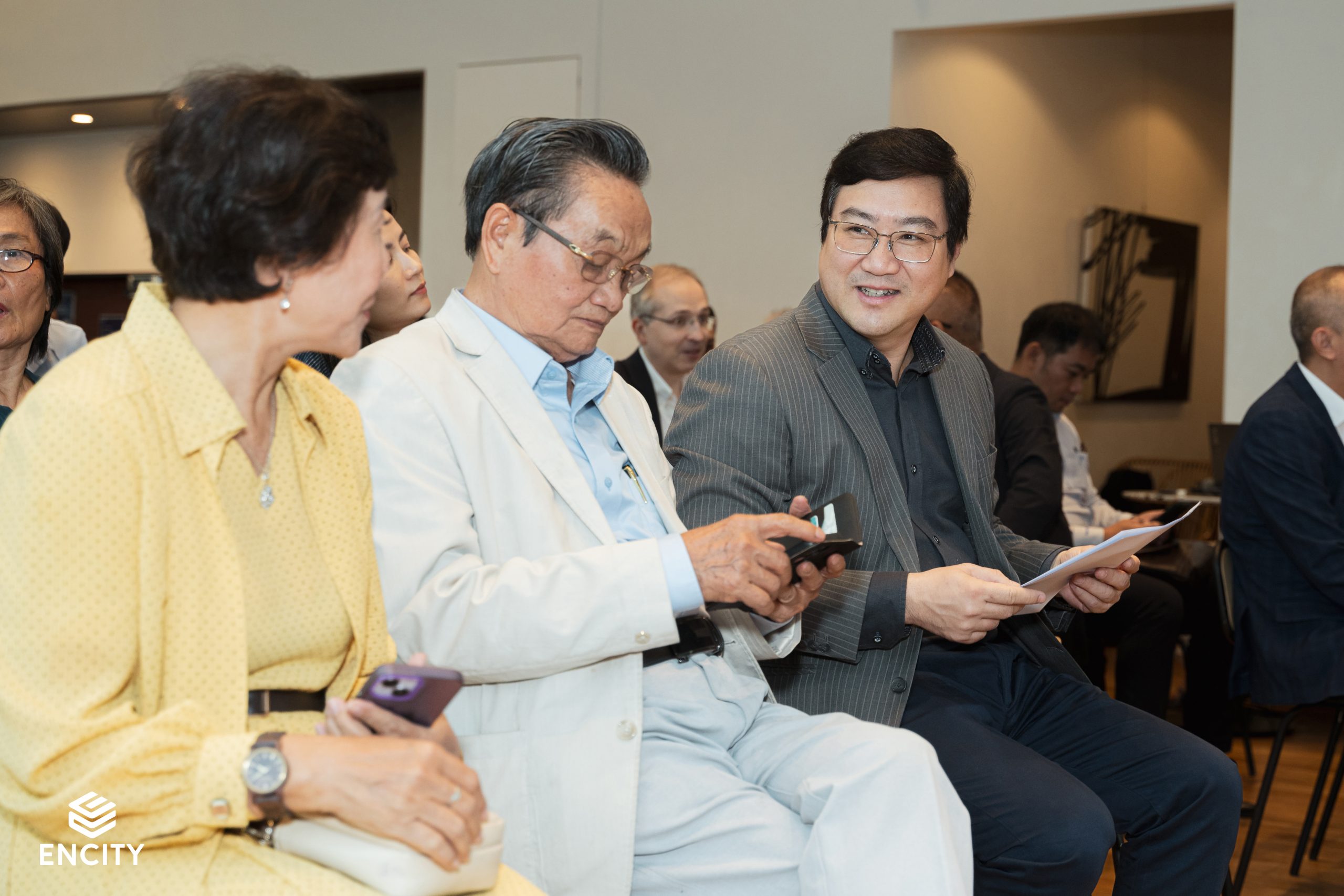
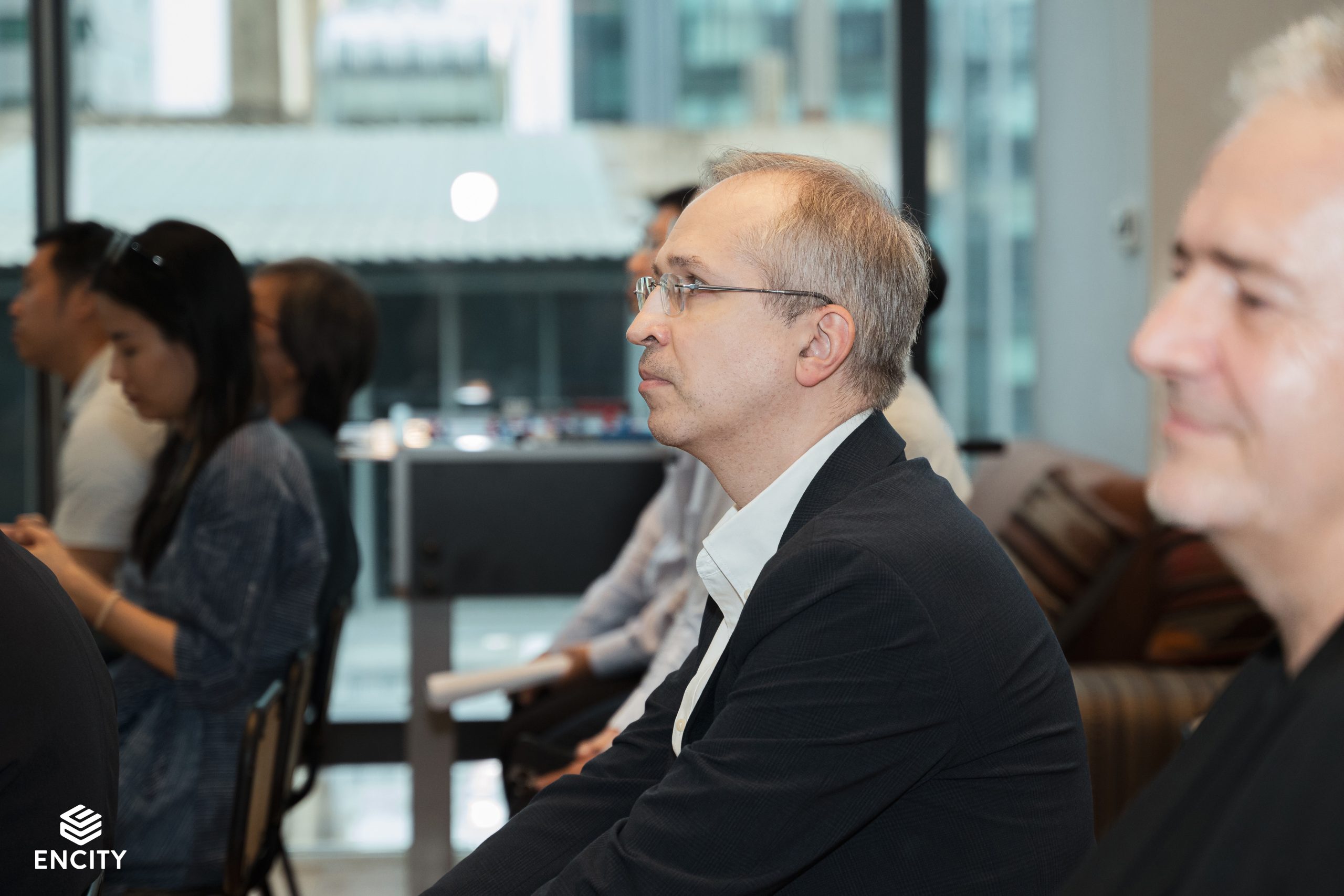
On January 30, 2026, in Ho Chi Minh City, the roundtable discussion “Unlocking Opportunities for Railway Infrastructure & TOD”, co-organized by enCity, Urban Land Institute Vietnam (ULI Vietnam), and The Sentry, took place in an open and in-depth exchange atmosphere.
The event attracted a wide range of participants, including policymakers, investors, and experts in planning, infrastructure, economics, and policy, reflecting the growing level of interest in the challenges of urban railway development and Transit-Oriented Development (TOD), as Ho Chi Minh City faces mounting pressure from rapid growth and the need to transform its development model.
Railway Infrastructure & TOD: Bottlenecks and Levers for Megacities
Recently, metro projects in Ho Chi Minh City have frequently appeared in the media, highlighting persistent issues such as construction delays, funding constraints, investment mechanisms, fragmented operations, and, notably, the delay in fully capturing land value uplift around stations. As a result, TOD is no longer merely a planning concept, but has become an urgent requirement to generate sustainable financial resources for mass transit infrastructure.
In their presentations, Dzung Do Nguyen (CEO of enCity) and Assoc. Prof. Dr. Vu Anh Tuan (Senior expert at enCity and Director of the Transport Research Center, Vietnamese-German University) addressed the city’s core questions: which investment models can deliver metro systems that are both fast to implement and financially sustainable, and how TOD can be applied to “turn infrastructure into value” rather than simply building rail lines and relying on ongoing public subsidies.
Dzung emphasized that metro systems can only be effective when conceived as part of a network and as destinations in themselves, where TOD creates appropriate density, mixed-use functions, seamless pedestrian–bus–metro connectivity, and acts as a catalyst for urban restructuring around stations to maximize economic and social benefits.

Meanwhile, Assoc. Prof. Dr. Vu Anh Tuan focused on the “implementation engine,” highlighting the need for multiple parallel models:
(1) public investment in infrastructure and operations, with private-sector TOD development;
(2) public investment in infrastructure, with private investment in rolling stock, operations, and TOD; and
(3) public–private partnerships combining Rail + Property, to attract strategic investors and ensure transparent risk- and revenue-sharing, thereby mobilizing social capital for both construction and operation.
A notable shared perspective was that allowing the private sector to fully invest in an entire metro line, from financing and construction to operation and integrated urban development, remains a very new approach with few precedents globally, as it requires robust legal, financial, and land frameworks, as well as strong coordination capacity to balance investor appeal with the protection of public interests.

The roundtable discussion captured candid feedback from investors and experts, centering on how to balance economic efficiency, social benefits, and sustainable development goals. Rather than offering a “ready-made solution,” the roundtable served as a dialogue platform where stakeholders collectively examined the bottlenecks and opportunities of railway infrastructure and TOD in Vietnam.


The session concluded with the launch of the book “Driving Change,” reinforcing a consistent message: urban and infrastructure development is a long-term journey that demands vision, persistence, and multi-stakeholder collaboration.









 VI
VI