

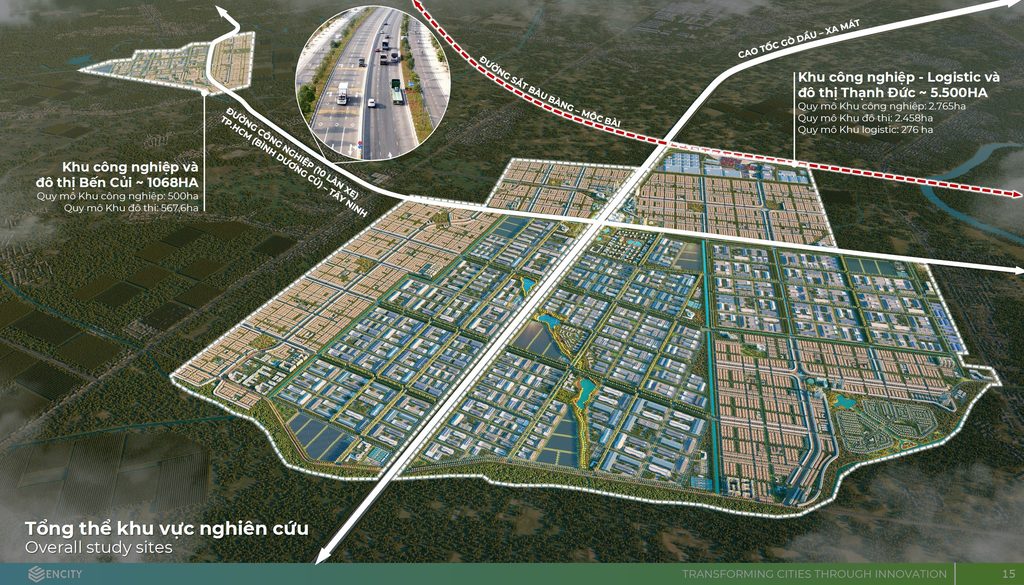
A major new industrial development is taking shape in Tây Ninh, southern Vietnam. The province has endorsed the investment policy and investor consortium for the 500-hectare Thạnh Đức 1 Industrial Park — an early implementation project within the much larger Thanh Duc Urban–Service–Industrial Development master planned by ENCITY. Located northwest of Ho Chi Minh City

15
Aug
Aug
What if the true luxury of a city were not height, speed or spectacle, but freedom — the freedom to walk beneath trees, for children to play safely, for older people to remain connected, and for everyday life to unfold with dignity? Cities are often discussed through numbers: population, density, infrastructure capacity, investment, square metres
14
Aug
Aug
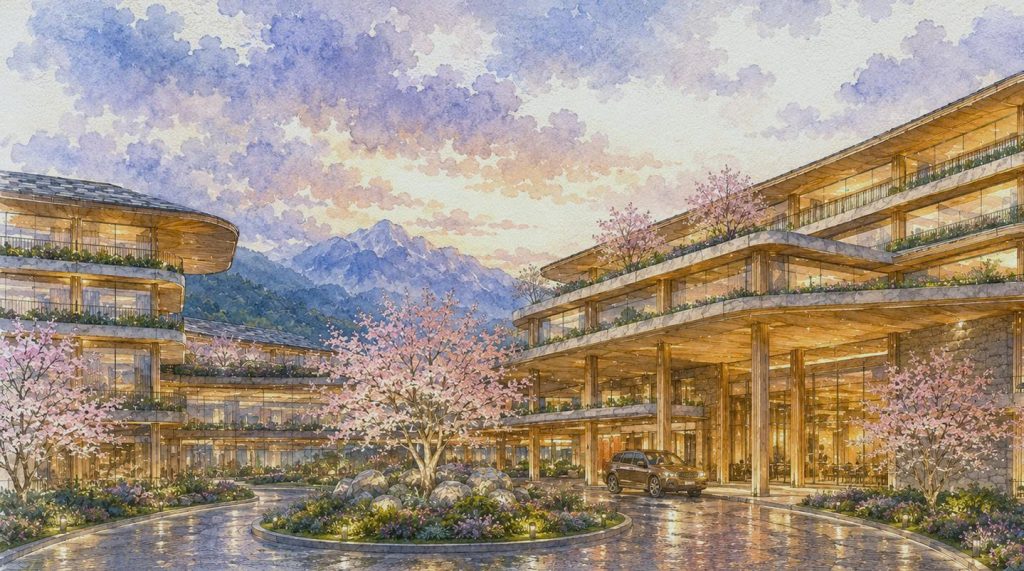
How observations of landscape, culture and everyday life are informing ENCITY’s architectural design for the Hilltop Hotel at EcoSapa. By Marco Buinhas, Design Director Sapa is a place of profound contrasts: a bustling, neon-lit commercial town set against the quiet, mysterious presence of mountains and mist. Under the glare of neon, the landscape slowly disappears.

18
Mar
Mar
One of the most common mistakes in discussions about megacities is to equate “mega” with population size. A city does not become effective simply because it gets bigger. It only becomes powerful when scale is converted into productivity: more job opportunities, better labor matching, faster knowledge spillovers, and urban services that function efficiently at scale.
04
Jan
Jan
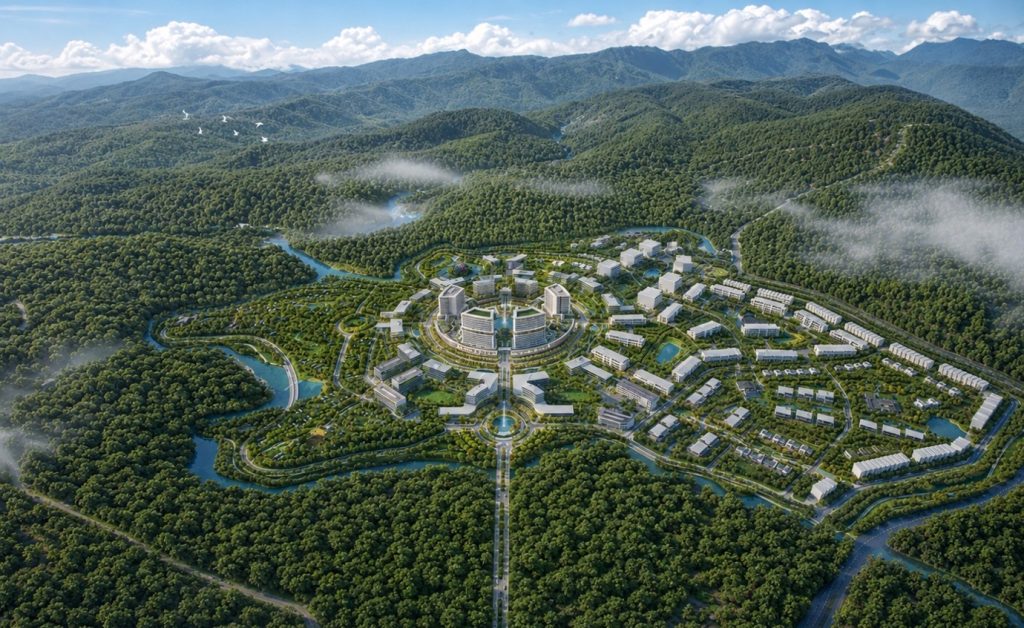
Context The Pursat Master Plan is envisioned as a new destination community set within the forested landscape of Veal Veng District in western Cambodia. Located close to Route 55 and the Cambodia–Thailand border corridor, the approximately 120-hectare site occupies a strategic position between regional movement routes and some of Pursat Province’s most significant natural assets,

29
Dec
Dec
Context Located at a strategic gateway position, Sapa Tea Hills sits along a key connective axis, serving both as the first stopping point for visitors approaching Sapa and as a junction leading to surrounding villages, valleys, and sacred mountain peaks. This context sets a clear requirement: the project cannot develop as a closed enclave, but

15
Dec
Dec
Context A New Waterfront Gateway for Phnom Penh Koh Norea occupies a strategic 70-hectare waterfront site at the meeting point of the Mekong and Bassac Rivers, positioned between Phnom Penh’s established urban core and its expanding eastern districts. With approximately 1.44 kilometres of waterfront frontage, the site benefits from panoramic views towards Diamond Island New

23
Oct
Oct
From Singapore to Sydney, many global cities are “returning” their riverfronts and former port areas to the people. Converting industrial docks into parks and public squares not only expands green spaces but also enriches urban identity and livability. Ho Chi Minh City’s recent decision to halt a real estate project on the 31-hectare Nha Rong
04
Jul
Jul
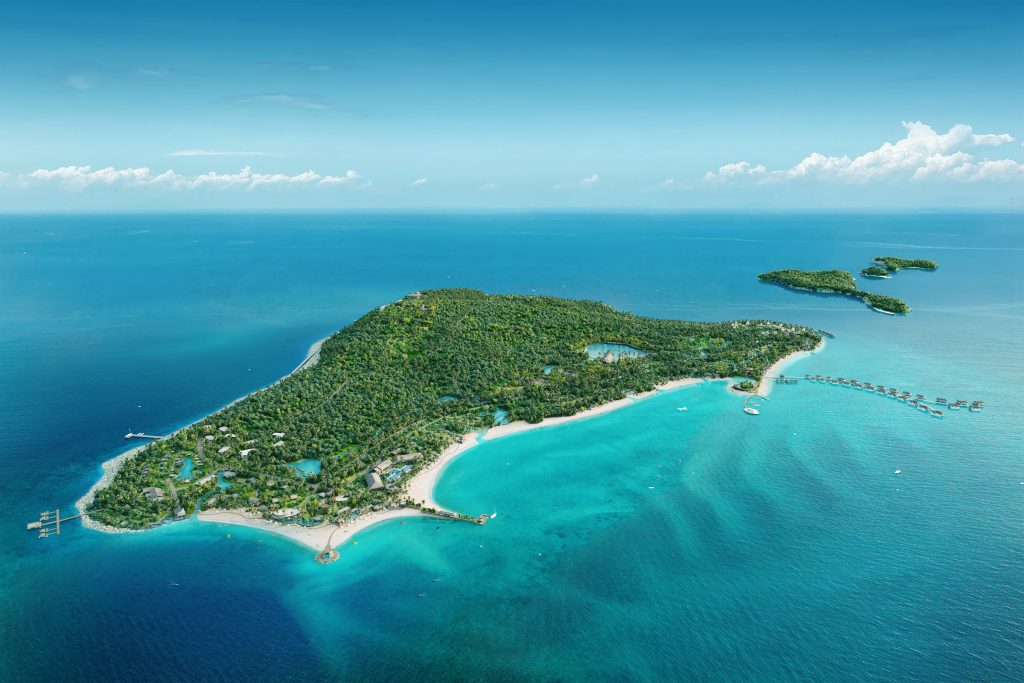
Context Koh Kong private island is an unspoilt island retreat where there is a deep respect for nature. Strongly believe that ecotourism can act as a catalyst for positive change through the preservation and regeneration of the rich wealth in bio-diversity and nature characteristic and beyond, creating a new destination for responsible tourism in Cambodia.

30
Jun
Jun
The revised Master Plan for Ho Chi Minh City to 2040, with a vision extending to 2060 establishes a transformative spatial framework anchored on six distinct planning regions. This article examines the scientific rationale, strategic objectives, and implementation solutions underlying this visionary model. The imperative for spatial transformation International best practices Singapore’s polycentric planning strategy

 VI
VI