

From Singapore to Sydney, many global cities are “returning” their riverfronts and former port areas to the people. Converting industrial docks into parks and public squares not only expands green spaces but also enriches urban identity and livability. Ho Chi Minh City’s recent decision to halt a real estate project on the 31-hectare Nha Rong – Khanh Hoi port site and replace it with a riverfront park and public plaza marks a bold and forward-looking move: placing long-term public benefit above short-term profit. This represents a turning point in urban governance: shifting from the mindset of “selling golden land” for revenue to “preserving golden land” to create public value. It aligns with a global urban renaissance, recognizing that public waterfronts are, in fact, investments in the city’s future sustainability.
Around the world, many historic harbors have been reborn as vibrant public spaces. Below are several cases that demonstrate how returning the waterfront to the community can redefine a city’s character.
Barangaroo Reserve (Sydney, Australia): returning the waterfront to nature and people
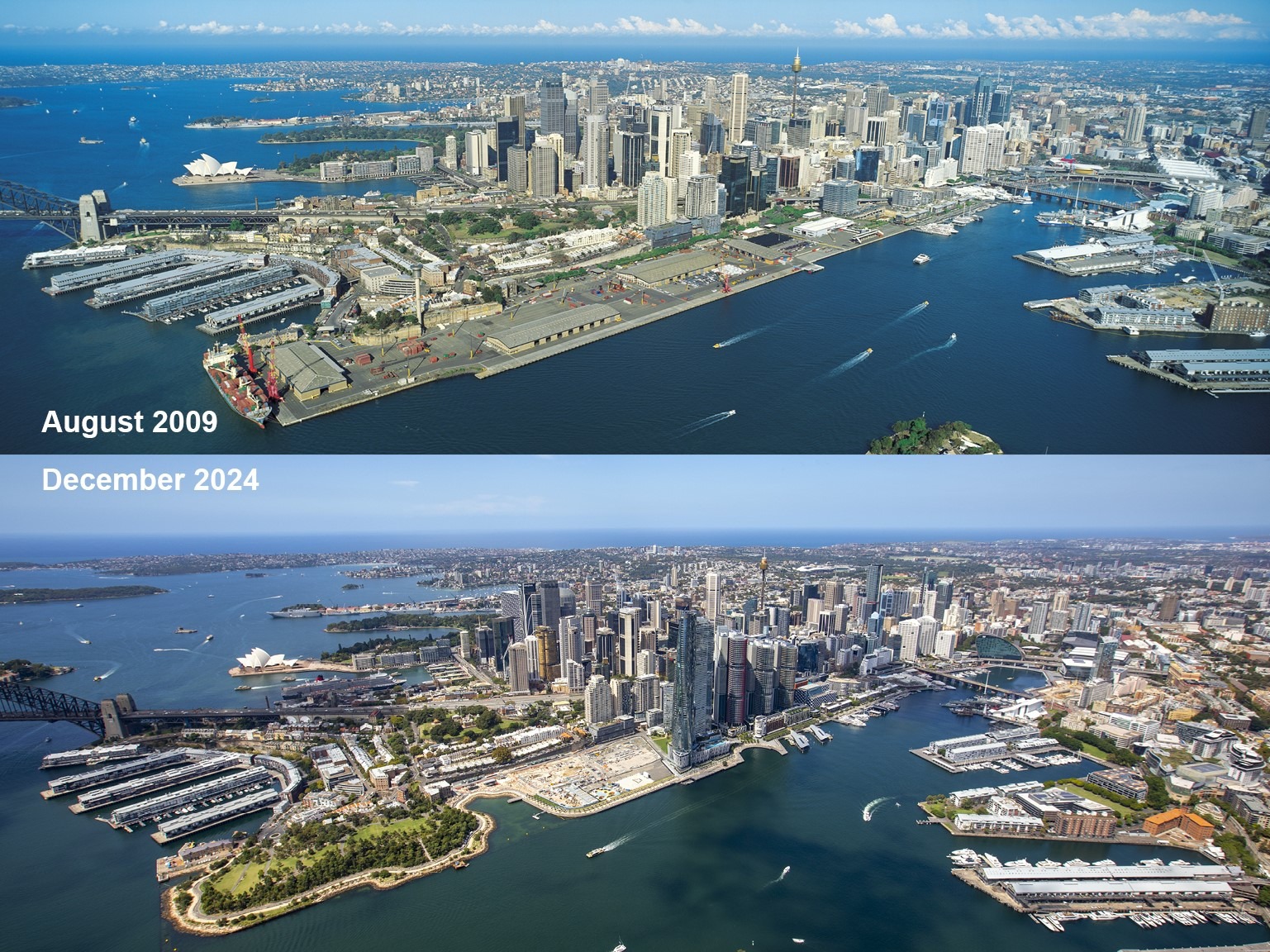
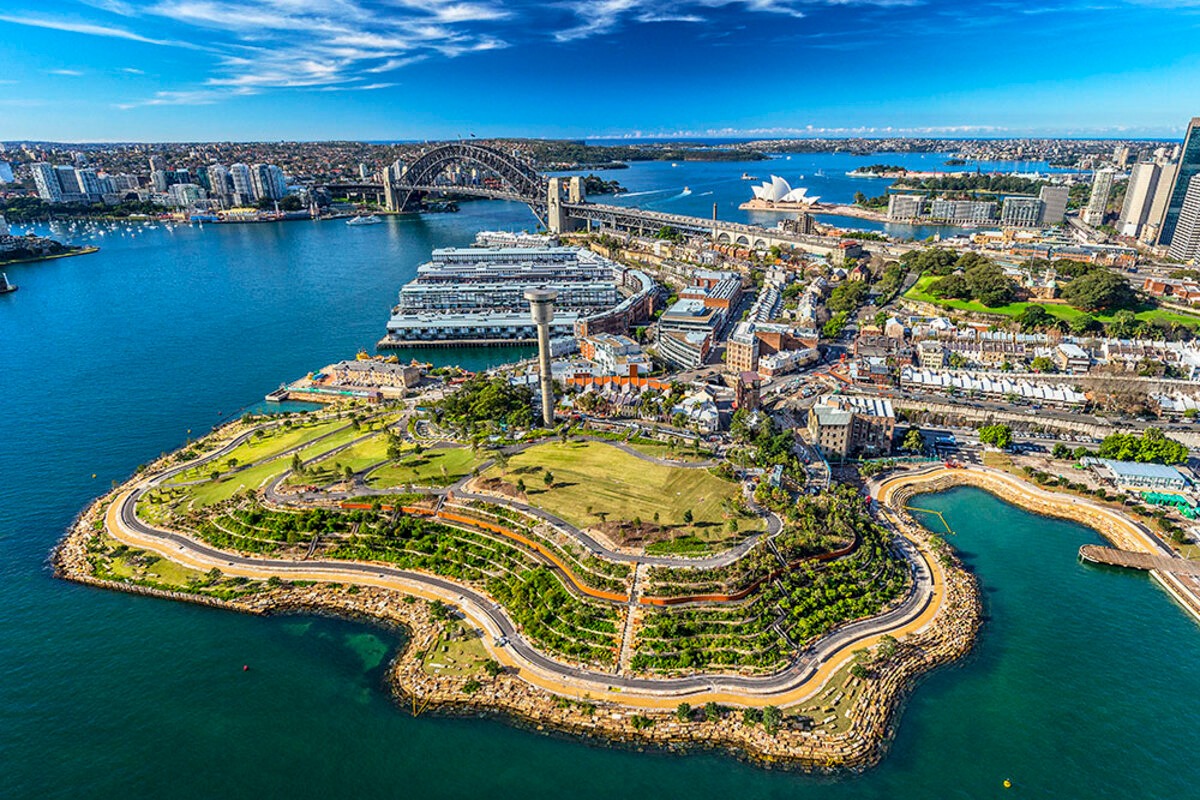
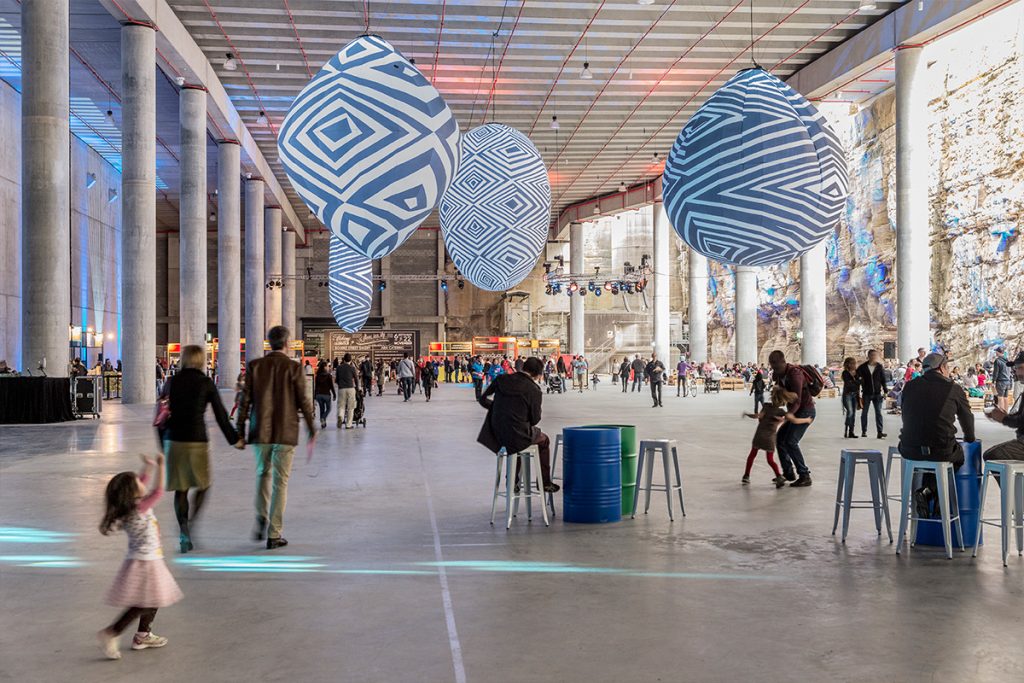
At the heart of Sydney, Barangaroo Reserve stands as a model for reclaiming prime waterfront land for public use. Once a container port and shipyard, much like Khanh Hoi, the area had separated central Sydney from Darling Harbour for more than a century. In 2015, the city transformed 5.5 hectares of the site into a stunning park, restoring the natural shoreline with native vegetation and pedestrian paths hugging the water’s edge. Beneath its manmade hill lies The Cutaway, a vast subterranean cultural space.
The results were immediate: within the first ten months, Barangaroo attracted over 800,000 visitors, with 95% saying they would return. It also completed Sydney’s continuous harbor promenade, connecting Darling Harbour in the west to the Opera House in the east. More importantly, Barangaroo’s design honors the area’s Aboriginal heritage and industrial past, creating a public realm deeply rooted in local identity. Despite immense development pressure, Sydney’s choice to allocate half of Barangaroo’s land to public space has proven visionary, delivering lasting social and environmental dividends.
The revitalization of Algiers Bay (Algeria): healing communities through public space
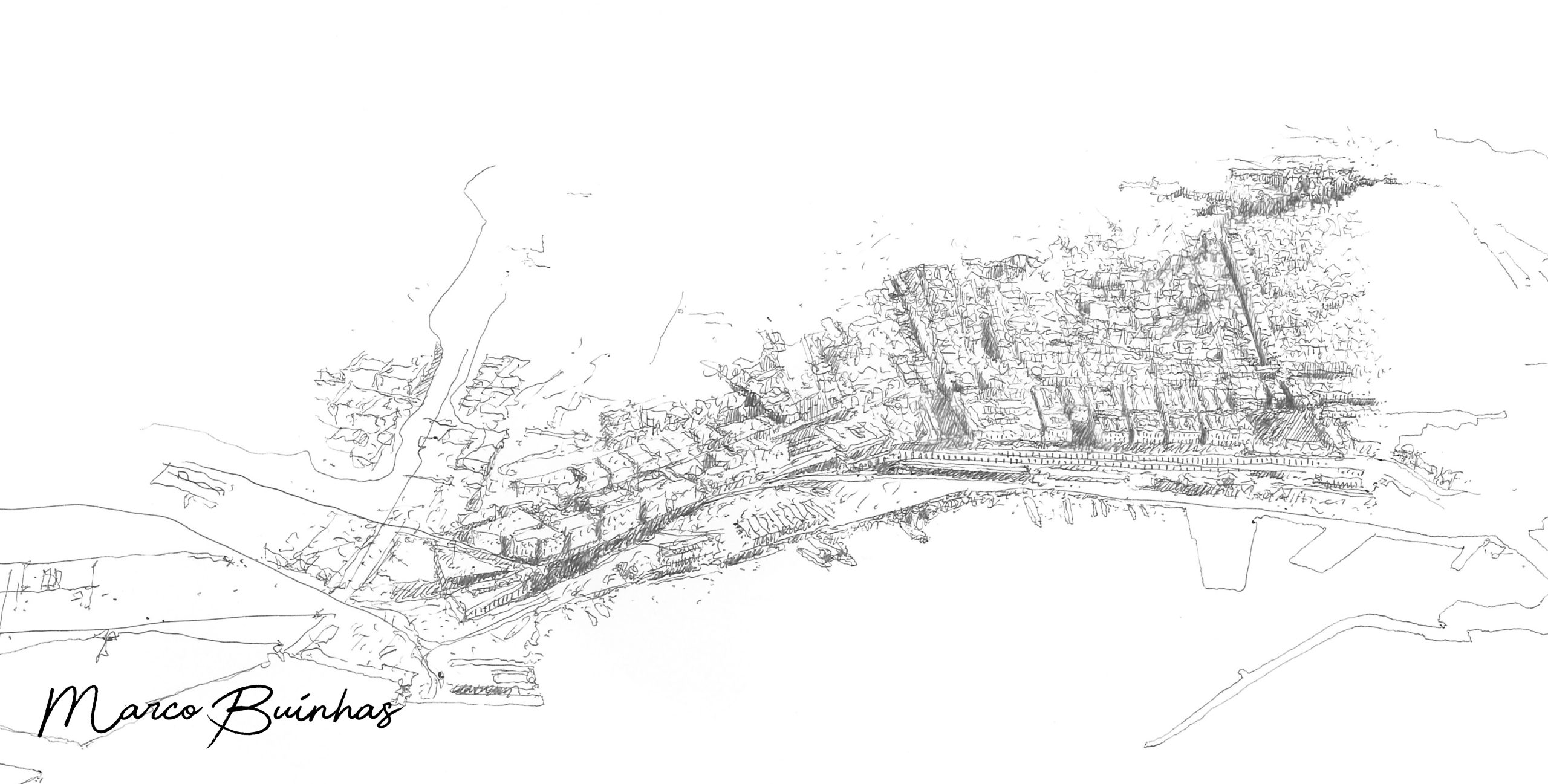
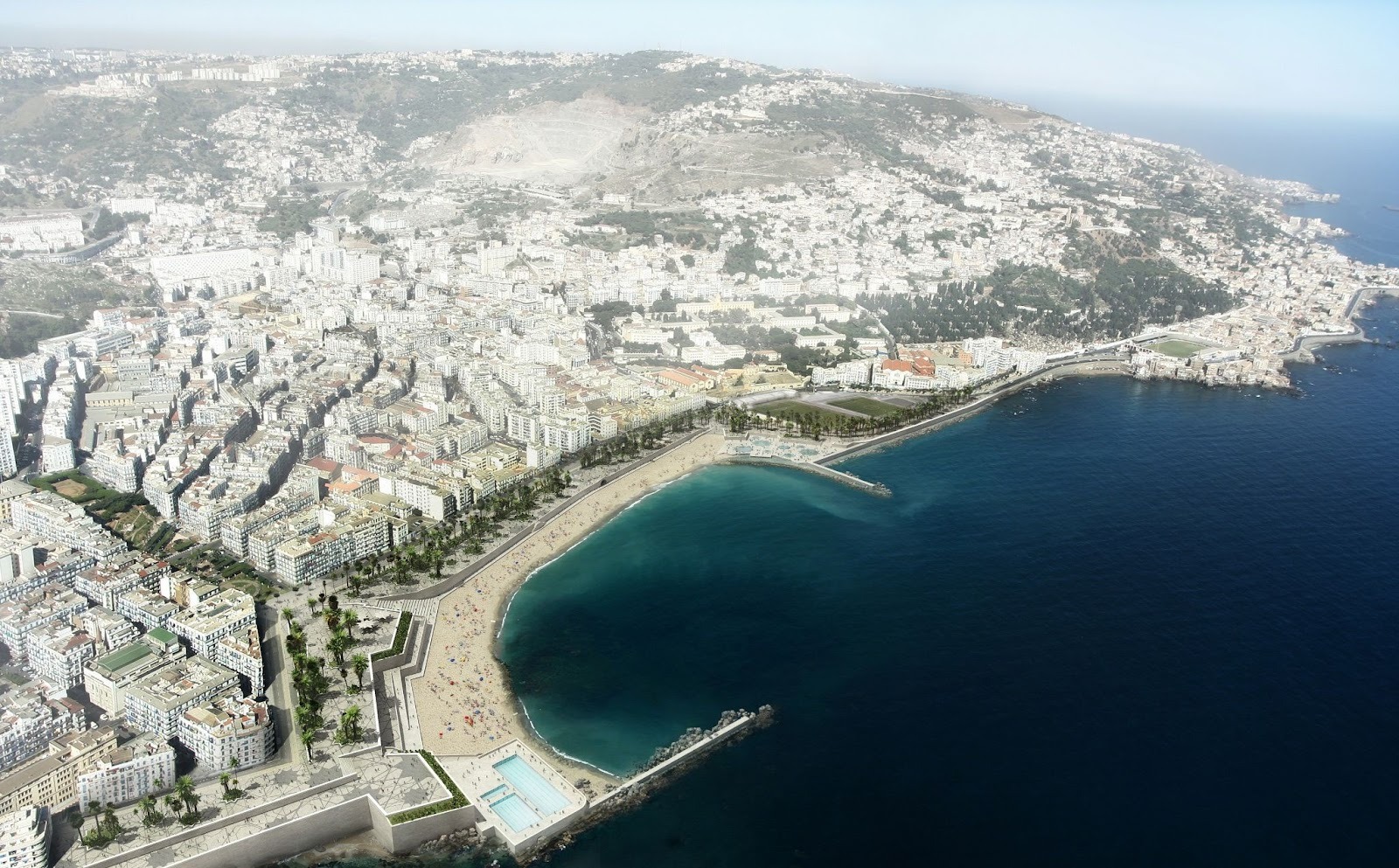
In North Africa, Algiers offers an inspiring story of social and urban renewal. Along the Bay of Algiers, the government transformed a once-degraded industrial coastline into a continuous public promenade, La Promenade de la Baie d’Alger. Led by Marco Buinhas, Design Director of enCity, the plan interweaves green landscapes, civic anchors, and restored heritage into a cohesive urban waterfront, improving the connectivity between the city and port and developing high-standard commercial and recreational areas.
A central component is the revalorization of Algiers’ historic maritime facade and fortifications, long neglected along the waterfront. The plan proposes restoring these structures as cultural landmarks integrated into the promenade’s fabric, introducing new public spaces, boosting tourism, and enhancing the city’s image by integrating modern and traditional elements.
The project far exceeded expectations, becoming a beloved gathering place across social classes. In a society once divided by decades of conflict, this new waterfront helped restore civic bonds, offering residents a space to walk, play, and take pride in their city. The reborn bay has not only enhanced Algiers’ beauty but also reignited its urban spirit, proving that public waterfronts can unite communities and revitalize cities in ways no commercial project can.
“Conservation and transformation are two faces of the same coin. The legacy from the past is not effaced, but adapted for contemporary use and public fruition.”
South Bank Parklands (Brisbane, Australia): from derelict docks to a city playground
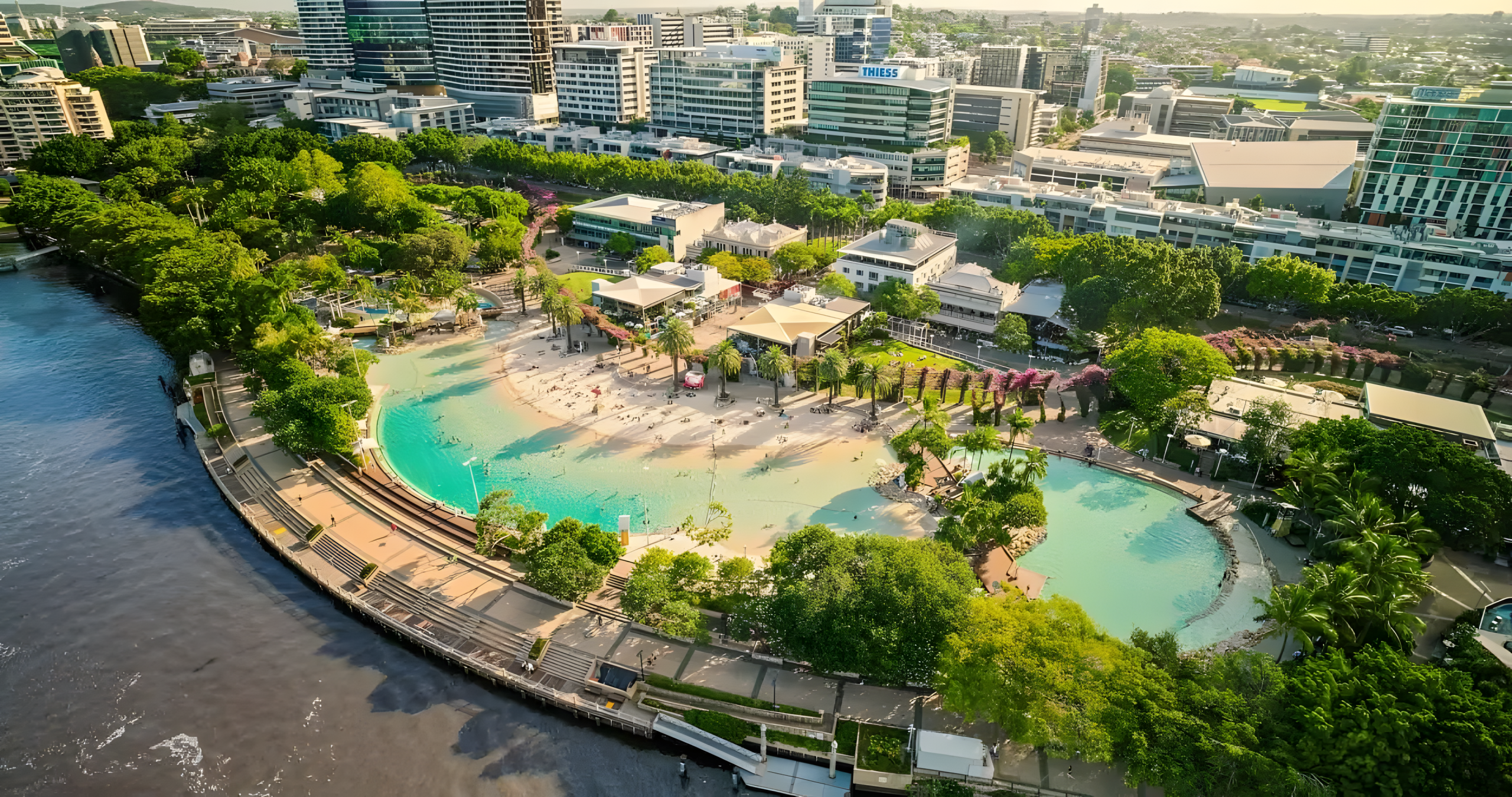
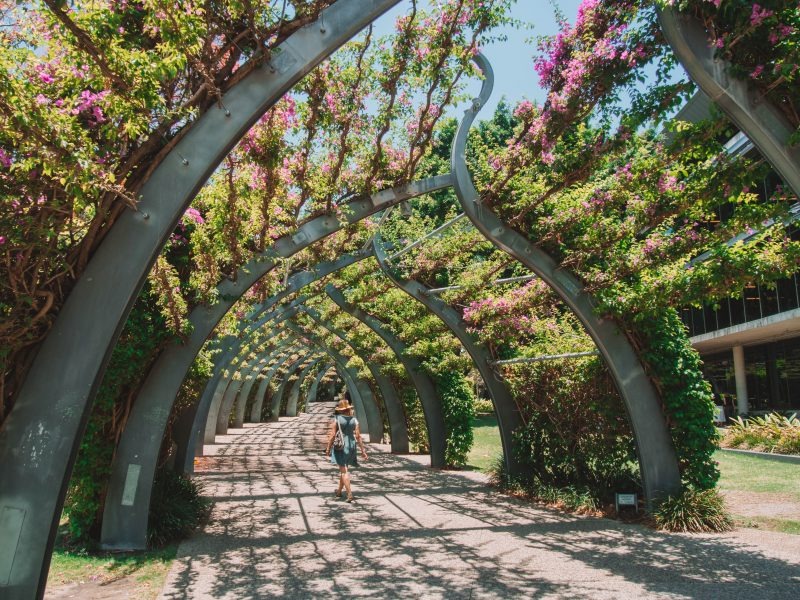
South Bank Parklands in Brisbane is a textbook example of turning industrial riverfronts into lively, multifunctional public realms. After hosting World Expo 1988, the city chose to retain the former docklands as a park instead of selling them to private developers. Completed in 1992, the 17-hectare South Bank Parklands became “the city’s backyard,” offering everything from tropical gardens and a lagoon-style pool to lawns, markets, and event squares. A one-kilometer bougainvillea-covered promenade connects cafes, restaurants, and cultural venues, while pedestrian bridges link directly to the city center.
Thanks to this thoughtful integration of culture, recreation, and transport, South Bank now attracts around 14 million visitors annually. The park’s success stemmed from public advocacy that convinced the government to prioritize open space over profit—demonstrating that dynamic waterfronts thrive when accessibility, diversity of use, and good design converge.
Collyer Quay (Singapore): Public–Private Partnership in heritage conservation
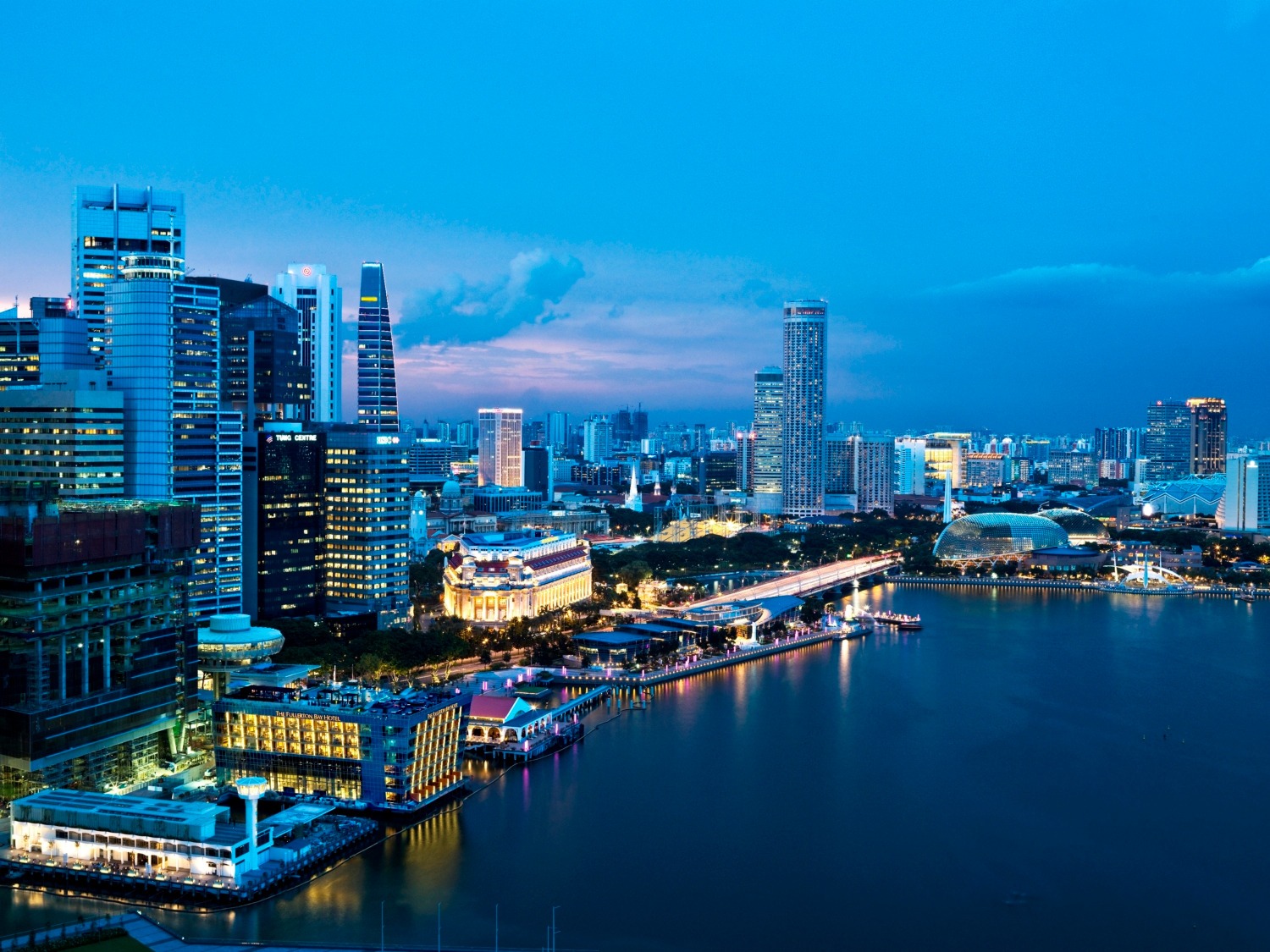
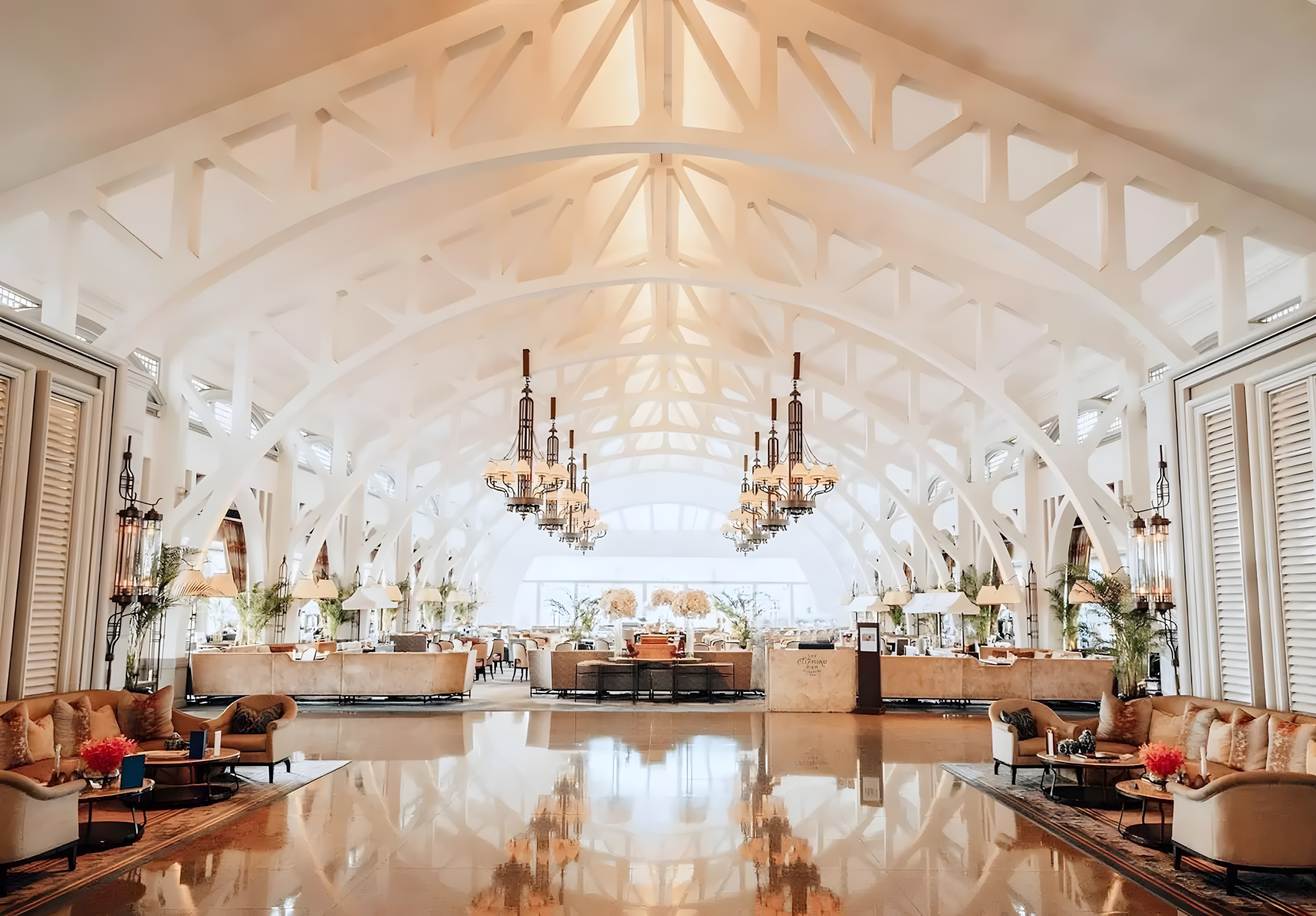
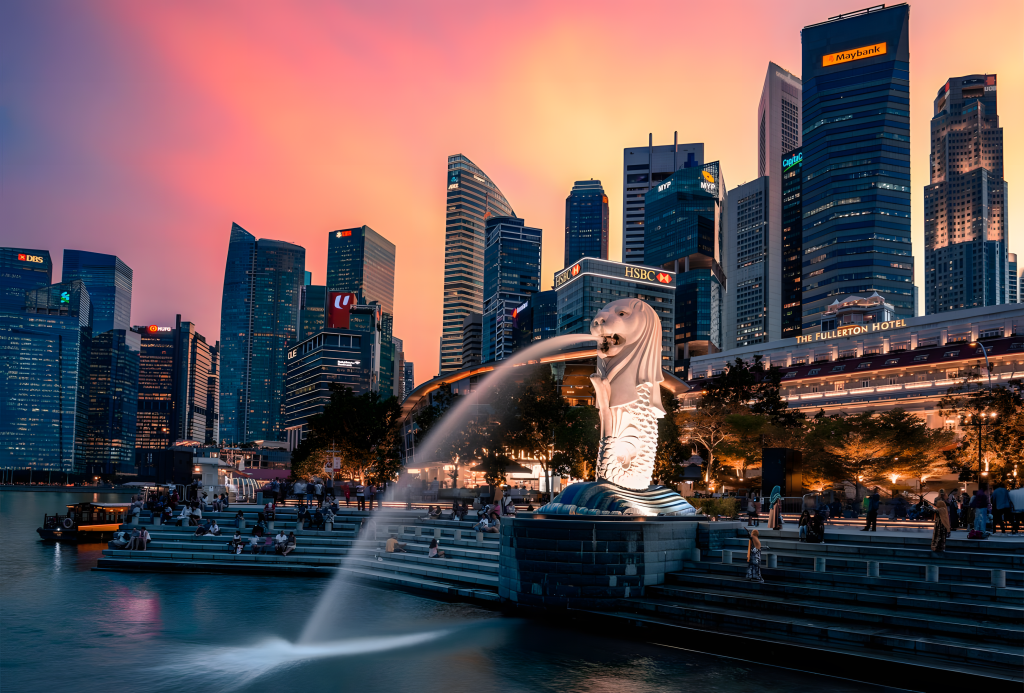
Singapore’s Collyer Quay project exemplifies how heritage conservation and private investment can coexist. Situated along Marina Bay, the area includes the 1933 Clifford Pier and the former customs house. When maritime activity ceased, the government preserved these buildings (granting them heritage status in 2007) and tendered the land for mixed-use development on the condition that public access be guaranteed. The result was the Fullerton Bay Hotel and a fine-dining venue within Clifford Pier, complemented by an open waterfront promenade and public squares connecting seamlessly to Merlion Park and Marina Bay Sands.
Today, the 3.5-kilometer Marina Bay waterfront is fully walkable, with Collyer Quay pulsating day and night. Singapore’s approach—clear heritage rules, guaranteed public access, and transparent partnerships—offers a model for cities seeking to balance private investment with public benefit.
Lessons for Ho Chi Minh City: turning Khanh Hoi into a shared riverfront
Transforming the Nha Rong – Khanh Hoi port into a cultural and civic waterfront presents Ho Chi Minh City with a once-in-a-generation opportunity to create a new “common frontage” along the Saigon River. To ensure the project’s success and lasting vibrancy, several principles should guide its development:
- Commit to true public use: The new space must serve all citizens, not a privileged few. Any adjacent private projects should complement, not fragment, the continuous public realm.
- Design with identity and flexibility: Preserve traces of the old port as cultural anchors; integrate art, urban symbols, and spaces for festivals, markets, and creative activities.
- Enhance access and connectivity: Link the site to surrounding districts through walkways, cycling paths, improved roads, and potentially river ferries.
- Foster inclusive governance: Engage citizens, designers, and investors through open competitions and participatory planning, supported by transparent public–private partnerships.
By reclaiming Khanh Hoi for the public, Ho Chi Minh City’s leaders are signaling a commitment to a more humane and sustainable urban vision. Riverfront public spaces are more than just land, they are the shared stage of civic life, where history meets vitality and communities find common ground. With strategic vision and collective effort, the rebirth of Khanh Hoi could mark a defining chapter in the city’s evolution toward a livable, inclusive, and world-class metropolis.

 VI
VI