

According to the revised Master Plan for the Development of Vietnam’s Airport System, Gia Bình Airport (Bắc Ninh Province) will be classified as a 4C-level airport, serving both the Hanoi Capital Region and the Northern Key Economic Zone, thereby easing pressure on Nội Bài International Airport. The formation of this “twin-airport system” presents an opportunity to restructure the northern aviation network. Yet, the key to unlocking its full potential lies not in the airport’s size, but in ensuring integrated infrastructure connectivity from the very start.
Before take-off: closing the infrastructure gaps
Long Thành Airport is expected to be inaugurated by the end of 2025, yet debates continue over how it should share operations with Tân Sơn Nhất Airport, largely due to the lack of ready transport links, especially public transit connections.
To address this gap, in the Revised Master Plan for Ho Chi Minh City to 2040, with a Vision to 2060, enCity, as a member of the consulting consortium, proposed a rail spur linking Metro Line 6 and the Long Thành-Thủ Thiêm railway, enabling a direct airport-to-airport service that would leverage the existing rail infrastructure of both lines. If implemented early and in a coordinated manner, this inter-airport rail link would not only ease congestion but also serve as strategic infrastructure, helping Long Thành fulfil its role as an international aviation hub.
This experience offers valuable lessons for Gia Bình Airport’s development. Under the Revised 2021–2030 National Airport System Plan, with a Vision to 2050, Gia Bình International Airport is designed to handle up to 50 million passengers annually, becoming one of the two largest aviation gateways in northern Vietnam, alongside Nội Bài.
However, major infrastructure projects in the capital region, such as the North–South high-speed railway, the Hanoi–Lào Cai–Hải Phòng railway, and Hanoi’s metro network, have yet to be effectively integrated to connect both international airports:
- Neither Nội Bài airport nor Gia Bình airport currently has direct connection to the high-speed rail line.
- The planned metro branch to Gia Bình (the plan is still on draft) does not run directly to central Hanoi, requiring passengers to transfer or change modes.
- Despite being less than 50 km apart, the two airports lack continuous public transport link.

Figure 1: Proposed plan of the national railway, urban rail, and airport network in the Hanoi Capital Region. The two airports lack a continuous public transport link; Gia Bình is not yet connected by public transit to central Hanoi. Source: enCity.
These connectivity gaps will constrain coordinated operations between Nội Bài and Gia Bình, particularly for connecting flights and logistics, reducing the overall competitiveness of the capital region.
Turning the Lào Cai – Hanoi – Hải Phòng railway into a regional spine
The planned Lào Cai – Hanoi – Hải Phòng railway, being prepared to modern standards, could serve as the backbone linking both Nội Bài and Gia Bình airports within a unified network. From this corridor, passengers from Phú Thọ, Bắc Ninh, Hải Phòng, and even China-bordering provinces like Lào Cai could access international air services more conveniently, while the two airports would be interlinked.
Two technical options are under consideration:
- Option 1: Reroute the main line to pass directly by the airport. This would require major planning adjustments, complex land clearance, and could delay project timelines.
- Option 2: Add branch lines connecting to each airport. This keeps the main high-speed corridor intact, while adding a 9 km spur to Nội Bài (via Bắc Hồng Station, following the planned Metro Line 6 corridor) and a 13 km spur to Gia Bình (from Trung Màu Station, along the expressway alignment). This would result in a total inter-airport link of 44 km, with 22 km of shared infrastructure already included in current plans.
The second option is more technically feasible and cost-effective. enCity’s transport experts estimate travel time between Nội Bài and Gia Bình at just 30–40 minutes. Moreover, the plan allows phased implementation: building the Nội Bài spur first, and the Gia Bình spur once the new airport becomes operational.

Figure 2: Proposed inter-airport rail service linking Nội Bài and Gia Bình via the Lào Cai – Hanoi – Hải Phòng line. Source: enCity.
One corridor – two branches, shared regional benefits
The goal of the connectivity strategy extends beyond airport-to-airport transfers. More importantly, it aims to integrate both Nội Bài and Gia Bình as nodes within a single inter-regional railway network. The Lào Cai – Hanoi – Hải Phòng corridor would become the primary infrastructure spine, linking both airports to central Hanoi and the major northern cities.
- Connecting to the northern urban belt: Once integrated into this corridor, Nội Bài and Gia Bình will serve as aviation gateways directly connected to the most dynamic and densely populated urban chain in northern Vietnam. Residents and businesses from Lào Cai, Phú Thọ, Vĩnh Phúc, Bắc Ninh, Hưng Yên, Hải Dương, and Hải Phòng will be able to access international flights swiftly, without depending on frequently congested highways. This would not only benefit passengers but also create opportunities for seamless logistics chains integrating rail, air, and seaport transport.
- Connecting to central Hanoi via Yên Viên rail hub: As the northern gateway station of Hanoi, Yên Viên would play a key role in channeling passenger flows from Gia Bình into the city centre. From Yên Viên, travellers could continue directly into the urban core via Metro Line 1, with convenient transfers to Metro Line 9 and the national rail lines to Bắc Giang and Lạng Sơn.
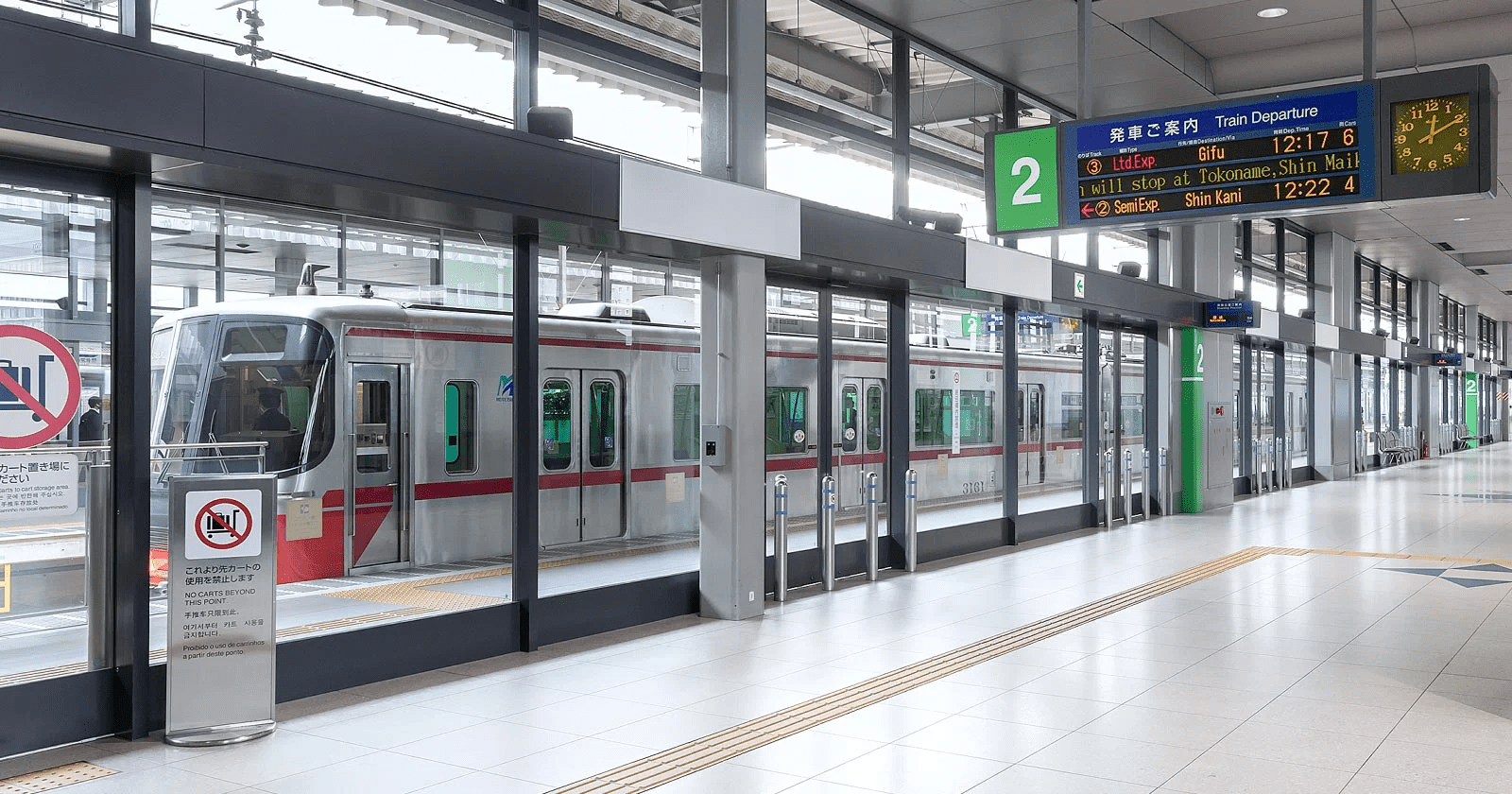
Figure 3: The Meitetsu Line provides direct rail access to Chubu Centrair International Airport in Nagoya, designed with luggage space and synchronized timetables to support “one-touch” transfers.
Three essentials for maximum efficiency
- Seamless physical connectivity: Railway stations should be located adjacent to passenger terminals, linked by pedestrian bridges or internal shuttles. Check-in and baggage drop could even be piloted at the rail station — a model already proven in Hong Kong and Kuala Lumpur.
- Synchronized timetables: Key interchange stations such as Yên Viên and Bắc Hồng should operate under a “one-touch” model, allowing smooth transfers between regional trains, airport shuttles, and metro services.
- Unified ticketing system: A single electronic ticket should work across multiple modes, supported by an integrated app showing train schedules and transfer guidance.
Why Act Now?
- Boosting Northern Vietnam’s aviation competitiveness: Linking both airports to the same rail network enhances passenger convenience and strengthens the region’s appeal to international airlines.
- Activating tourism and logistics: A connected network linking airports, border gates, and destinations from Sa Pa to Hạ Long Bay will attract more international visitors and enable multimodal logistics.
- Smart investment phasing: Build the Nội Bài branch first, then Gia Bình — focusing early investment on the “high-impact” kilometres that deliver immediate results.
- Reducing congestion and emissions: Shifting a significant share of passengers from road to rail will ease pressure on major expressways and cut transport-related emissions.
In Conclusion
If the challenge of connecting Gia Bình and Nội Bài is addressed through an integrated, forward-looking strategy, the benefits will extend far beyond a single airport project. This is a chance to build a unified air–rail–urban network across northern Vietnam, with the rail link between the two international gateways serving as critical strategic infrastructure. More than just a matter of transport planning, it represents a decisive step toward enhancing Vietnam’s long-term logistics competitiveness.

 VI
VI